AI-Powered Healthcare
Solutions That Put Patients First
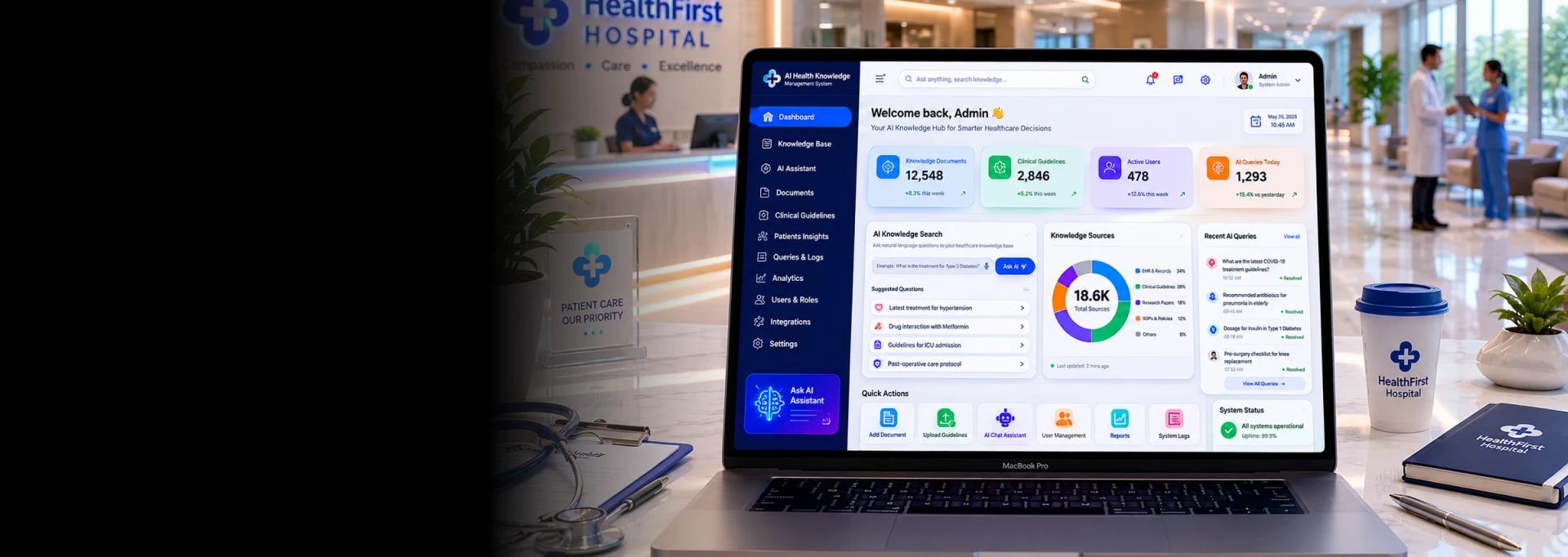
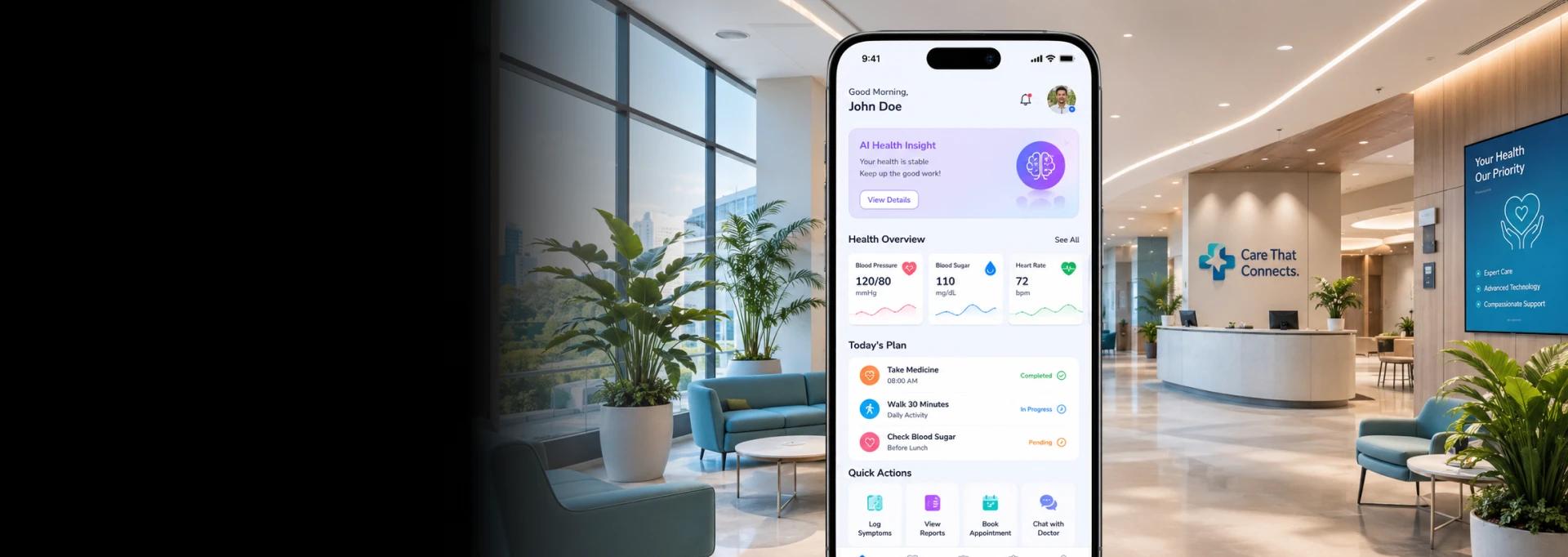
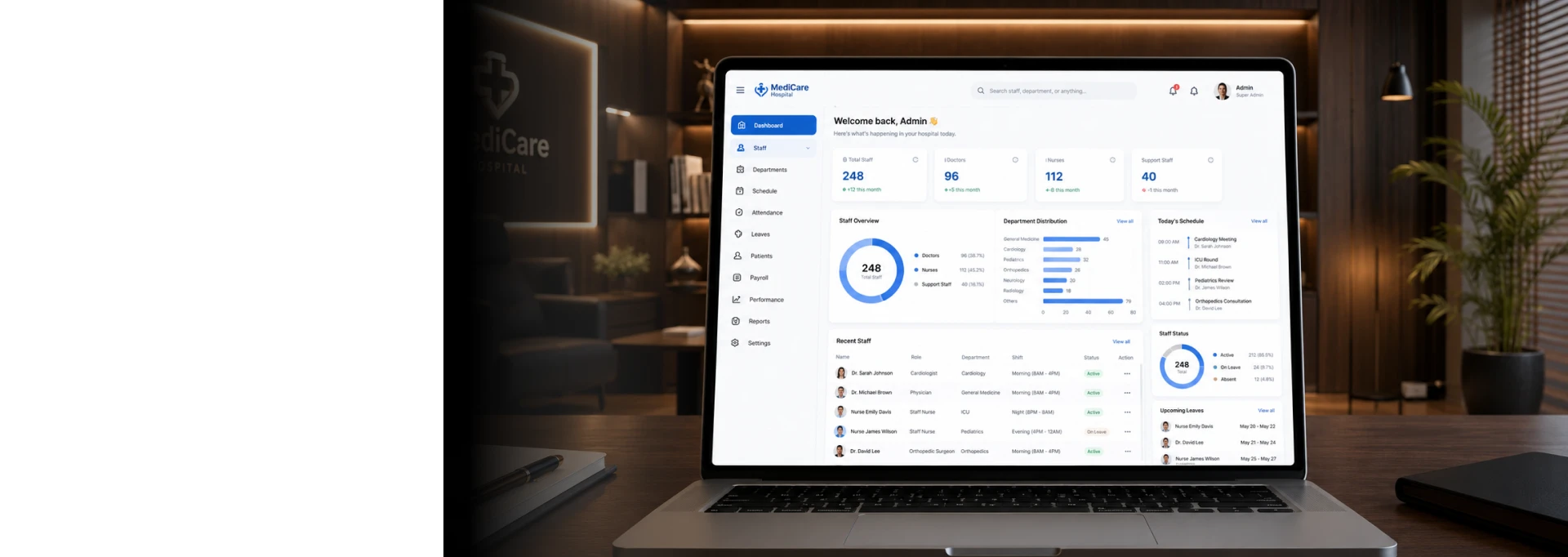
Starling Elevate helps hospitals, clinics, and medical groups modernize clinical and admin workflows. We build secure AI tools that reduce paperwork, support care teams, and connect to EHR systems you already use.


Starling Elevate helps hospitals, clinics, and medical groups modernize clinical and admin workflows. We build secure AI tools that reduce paperwork, support care teams, and connect to EHR systems you already use.
Continuity

Healthcare
Users Connected

Why Healthcare
Organisations Are
Adopting AI
Hospitals and clinics face rising patient demand, staff shortages, and strict compliance rules. Manual workflows slow care delivery and create reporting gaps across departments.
Starling Elevate builds AI for documentation, scheduling, revenue cycle tasks, and patient communication. Systems connect to EHR platforms with HIPAA-aware security, clear audit trails, and phased rollout so teams can adopt changes safely.

Operational Challenges in Healthcare
Care teams manage patient coordination, medical records, billing, compliance, and reporting across multiple systems. These gaps increase admin load and affect both staff and patient experience.
Administrative Burnout
Manual documentation, billing, scheduling, and reporting reduce time for patient care and increase staff turnover risk.
Fragmented Data Systems
Disconnected EHR, lab, and operational tools create visibility gaps that slow coordination and clinical decisions.
Revenue Cycle Bottlenecks
Claims delays, coding errors, and approval workflows hurt cash flow and add rework for finance teams.
Clinical Decision Pressure
Clinicians review large volumes of records and test results daily, which makes timely evaluation harder under time pressure.
Compliance Complexity
HIPAA rules, audit requests, and security monitoring require ongoing effort across IT and operations teams.
Patient Engagement Gaps
Scheduling, follow-ups, and long-term communication are hard to manage through phone-only or legacy portals.
Automate Business Processes With Healthcare AI
Remove bottlenecks, cut errors, and speed up routine workflows with automation built for clinical teams.
AI Solutions Built for Healthcare Operations
We design AI for hospitals and clinics to automate admin work, improve coordination, and give teams clearer operational visibility without replacing existing EHR tools.
AI-Powered Clinical Documentation
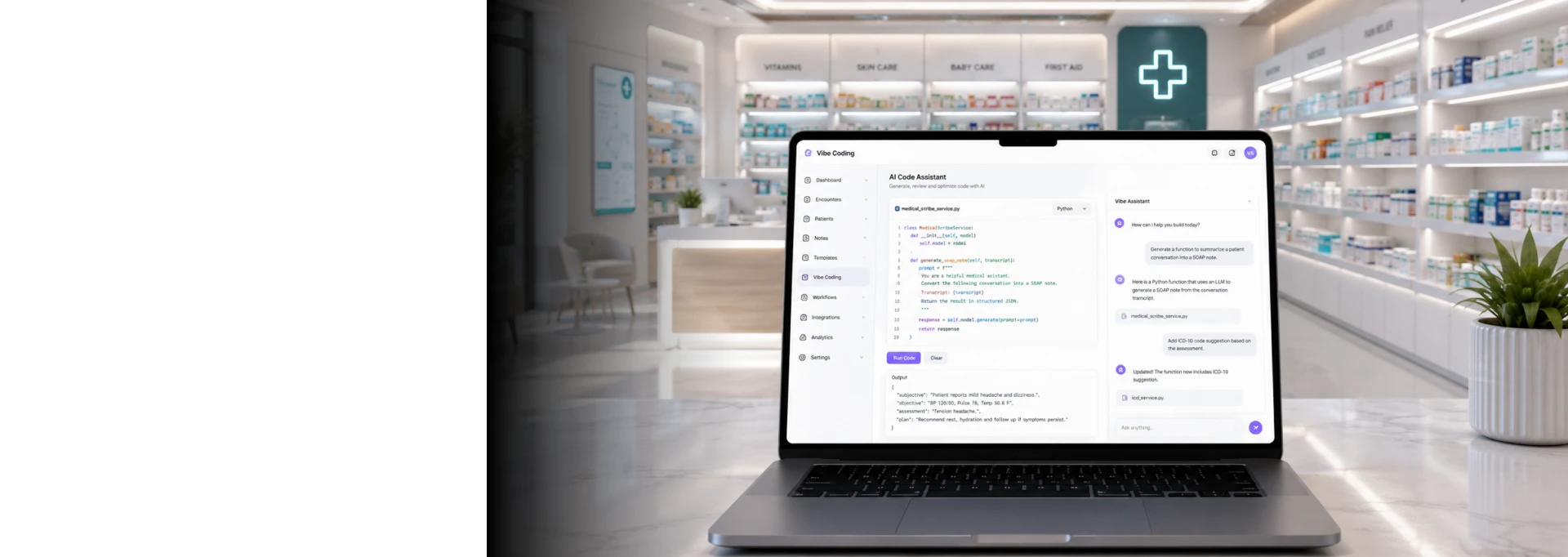
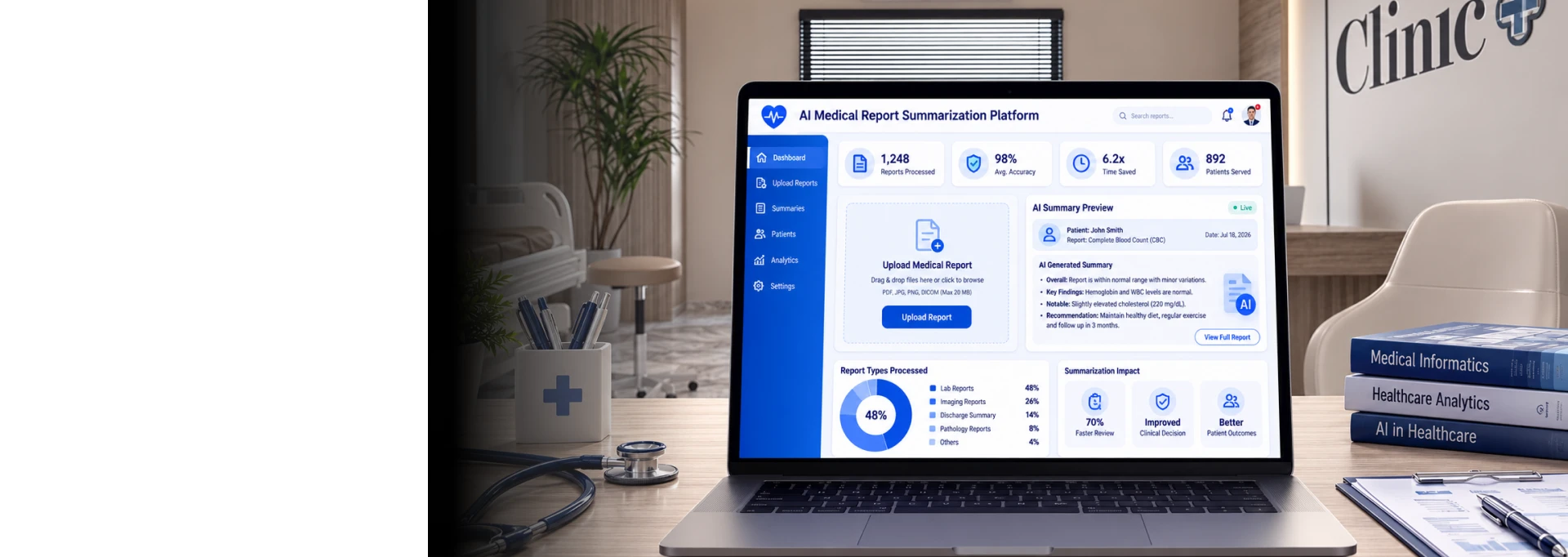
We streamline clinical documentation and EHR workflows with NLP tools that cut charting time, improve record accuracy, and free clinicians to focus on patient care.

AI-Powered Clinical Documentation
We streamline clinical documentation and EHR workflows with NLP tools that cut charting time, improve record accuracy, and free clinicians to focus on patient care.


Transforming Healthcare Performance with AI
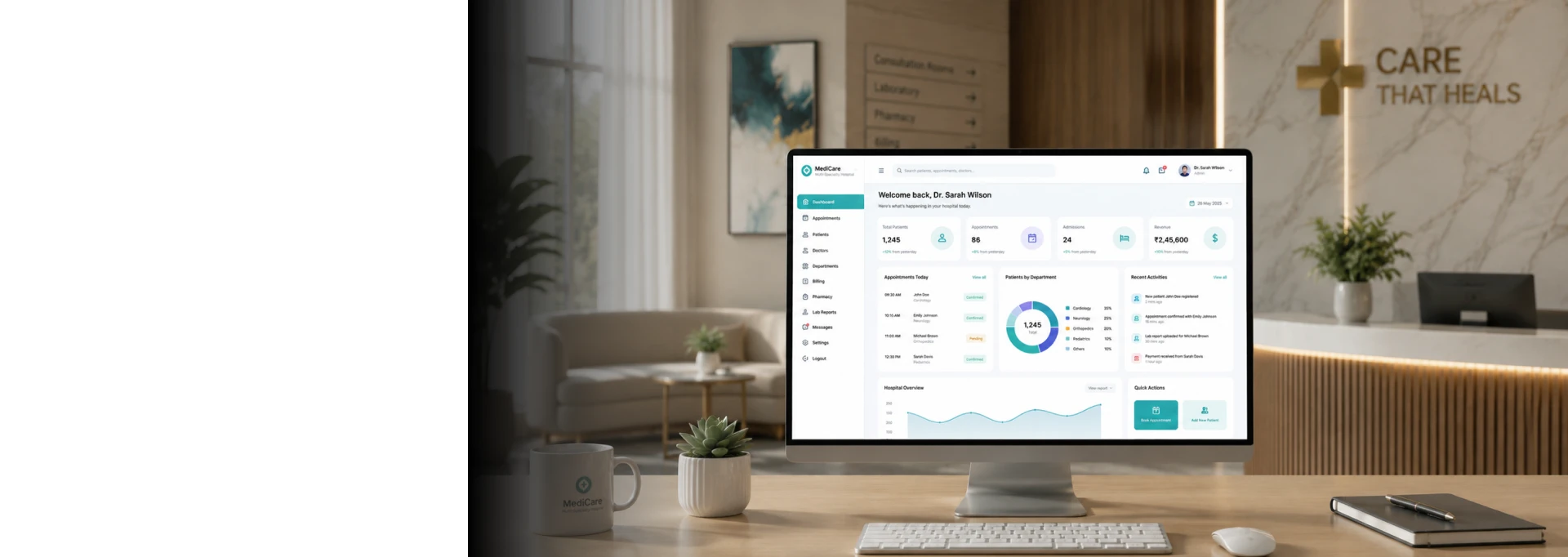
Practical AI helps care organisations cut admin load, improve coordination, and track outcomes across clinical and operational teams.
Improve patient scheduling, follow-ups, and communication with automated engagement tools
Reduce clinical documentation load through ambient scribe and record automation
Support diagnostic review with AI-assisted analysis and structured reporting
Speed up claims and billing workflows to improve revenue cycle performance
Spot patient risk patterns earlier with predictive dashboards and alerts
Strengthen HIPAA-aware compliance tracking and audit-ready reporting
Integrate with EHR, lab, and internal systems without replacing core platforms
Improve coordination across departments, clinics, and care networks
How We Implement AI Across Healthcare Operations
We follow a structured path from workflow review to secure deployment so AI fits your compliance needs and daily operations.
Assessing Healthcare Workflows
We map clinical and admin processes to find bottlenecks, manual steps, and areas where AI can improve speed, accuracy, or patient experience.

Preparing Healthcare Data
We organize records, EHR exports, reports, and operational data so models and automations have clean, permissioned inputs.

Designing the AI Strategy
We define use cases, integration points, success metrics, and rollout phases aligned to your compliance and staffing constraints.

Developing and Integrating AI Solutions
We build automation, assistants, OCR flows, and analytics modules and connect them to your existing clinical and business systems.

Testing, Security and Compliance
We validate accuracy, run security reviews, and confirm HIPAA and internal governance requirements before go-live.

Deployment, Monitoring and Optimisation
We launch in phases, monitor usage and outcomes, and refine workflows based on staff feedback and performance data.

Start Your AI Implementation Journey
Deploy medical scribes, workflow automation, diagnostic support tools, and secure cloud integrations through a phased plan built for care providers.
Frequently Asked Questions
Didn't get an answer?
We will reach out to you in less than 2 hours!
AI automates admin tasks like scheduling, documentation, and claims handling. That frees clinical staff, improves coordination, and gives leaders better visibility into daily operations.
Yes. We connect to EHR platforms, lab systems, billing tools, and internal APIs so new AI workflows fit your current stack without a full platform replacement.
Yes. We build tools for scribing, patient engagement, revenue cycle automation, and clinical decision support based on your workflows, data, and compliance needs.
Automation routes tasks, updates records, and sends alerts on defined rules. Teams spend less time on repetitive work and more time on patient-facing care.
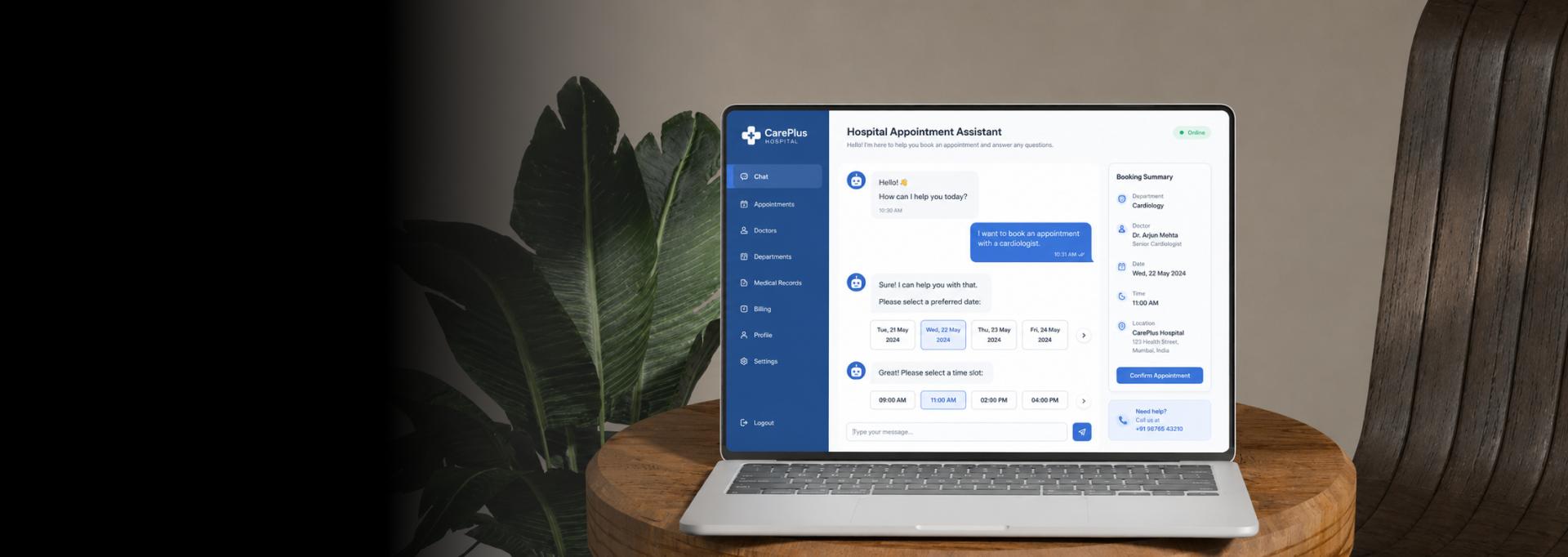
Yes. Chatbots and assistants handle booking, reminders, and common questions across web and messaging channels while escalating complex cases to staff.
Yes. We use encryption, role-based access, audit logs, and HIPAA-aware deployment practices. Security and compliance reviews are part of every rollout phase.
A focused proof of concept often ships in 2 to 4 weeks. Full production rollouts with deeper EHR integration typically take 1 to 3 months depending on scope and data readiness.
Start with a high-volume, repetitive process such as intake forms, appointment scheduling, or claims prep. We help you pick based on impact, data quality, and integration effort.
Didn't get an answer?
We will reach out to you in less than 2 hours!
Unlock the Potential of AI in Healthcare
Support medical staff, automate clinical workflows, and improve patient outcomes with AI tailored for hospitals, clinics, and digital health platforms.