AI Knowledge Base Development Service
Starling Elevate builds AI Knowledge Base Systems that help teams find accurate answers fast. We turn scattered docs into searchable, structured knowledge your staff and customers can trust.
Our work covers content review, semantic search, RAG setup, and integrations with helpdesks, CRMs, and internal tools. Each project includes migration support, testing, and rollout guidance. software development, Generative AI, and AI Chatbot projects.
Retrieval Accuracy
Faster Knowledge Discovery
Reduction in Manual Lookup

AI Knowledge Base Development for accurate answers
An AI Knowledge Base stores your company documents, policies, and support content in one searchable system. Users ask questions in plain language and get relevant answers instead of digging through folders.
We use semantic search and Retrieval-Augmented Generation (RAG) so results match intent, not just exact keywords. That helps support teams, HR, sales, and operations find the right information quickly.
Our projects cover Healthcare protocols, E-commerce product guides, Finance compliance docs, Legal Tech references, and internal wikis. We work with LangChain, LangGraph, LlamaIndex, Vector Databases, and cloud APIs.
Each engagement starts with a content audit, structure design, and integration plan. You get a production-ready system with admin tools, search analytics, and documentation your team can maintain.
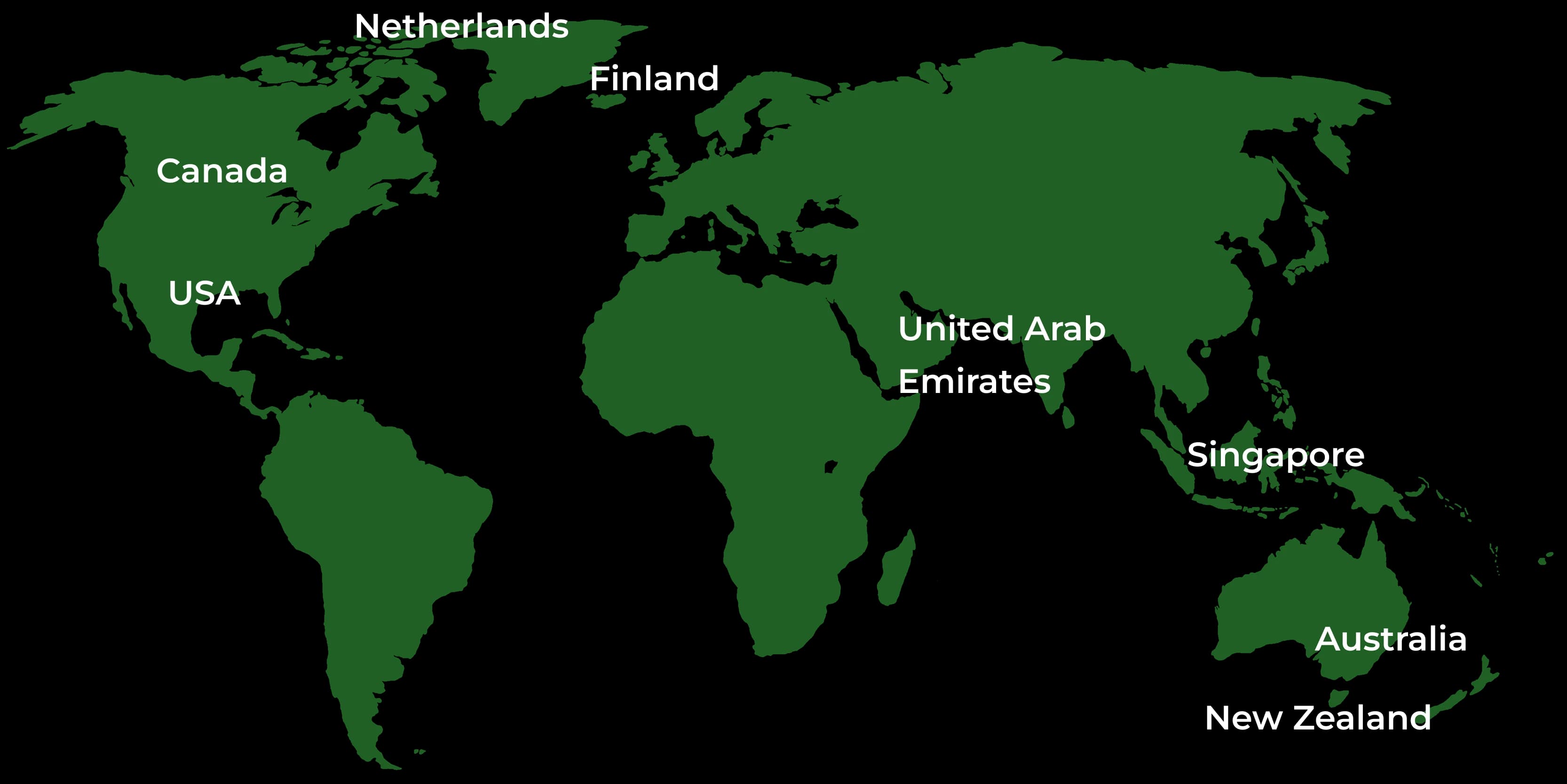
Knowledge base development takes 2-3 weeks for focused builds and 3-6 weeks for large migrations or complex integrations. Starling Elevate is based in Jaipur, India and serves clients globally.
A strong knowledge base reduces repeat support tickets, speeds onboarding, and keeps answers consistent across teams. We focus on retrieval accuracy, clear content structure, and tools your users already work in.
Building AI Knowledge Systems for accurate retrieval
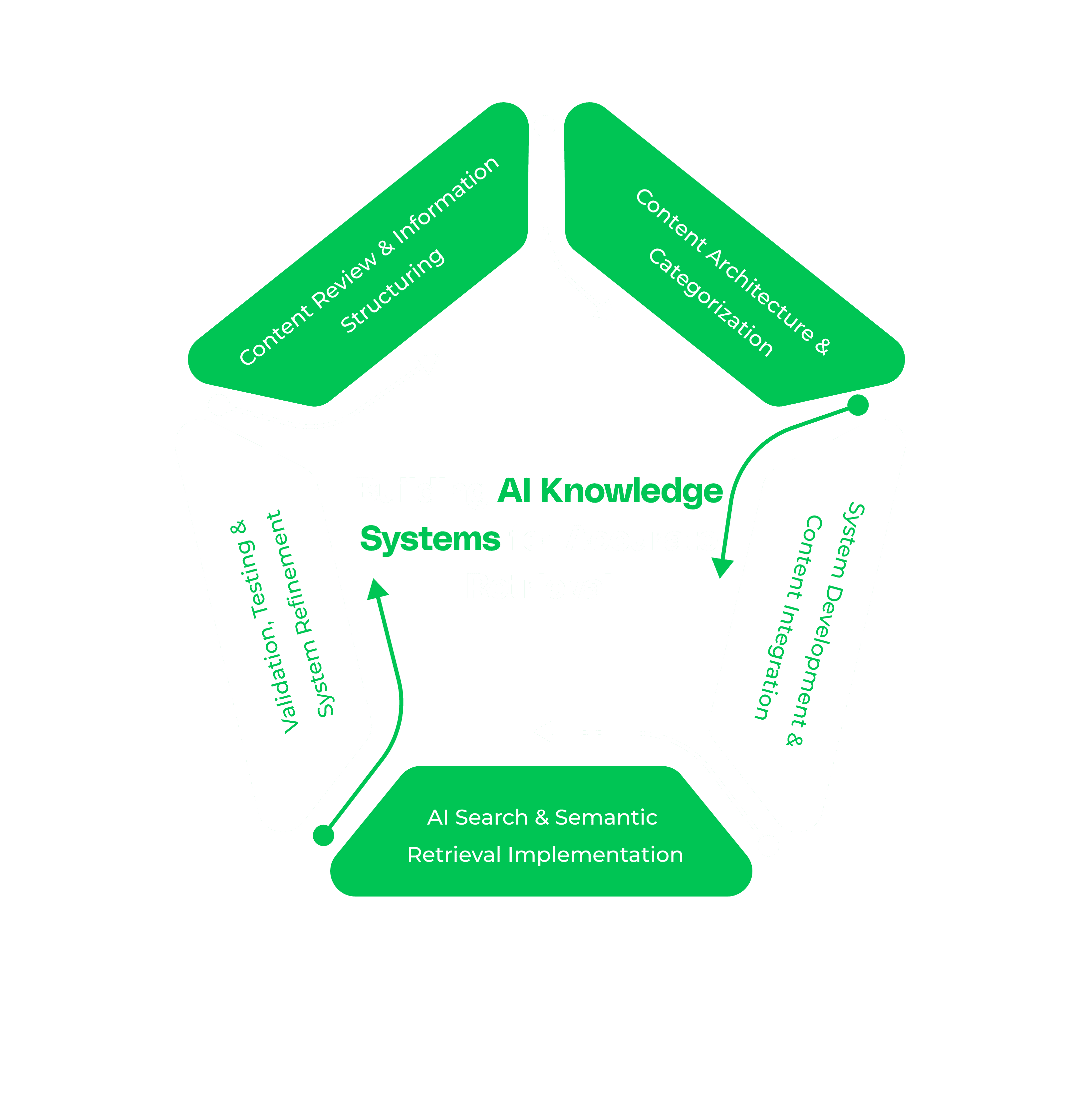
We turn fragmented documentation into a structured, search-ready knowledge base through five clear stages, from content review to live deployment.
Content Review and Structuring
We audit your docs, wikis, and data sources. We flag outdated content, remove duplicates, and organize what stays into clear categories.
Content Architecture and Categories
We map topics, links, and hierarchies so users can browse or search by intent. Related content stays connected for faster discovery.
Platform Setup and Integration
We configure the knowledge base, connect your content, and wire internal links so information flows as one system, not isolated files.
AI Search and Semantic Retrieval
We add vector search and RAG with Generative AI so the system understands meaning and returns relevant answers.
Testing and Refinement
We test with real queries, review retrieval accuracy, and fix gaps before launch. Search analytics help you improve content after go-live.


Knowledge systems across business operations
Knowledge bases fit anywhere teams need fast, verified answers, including support desks, HR portals, sales enablement, compliance workflows, and customer self-service.
We deploy inside helpdesks, internal apps, and customer-facing portals so users get answers without leaving their daily tools.
What This Enables:
- Verified answers inside active workflows
- Fewer repeat questions for support teams
- Consistent information across departments
- Faster onboarding with structured content
- Clear view of content gaps from search data
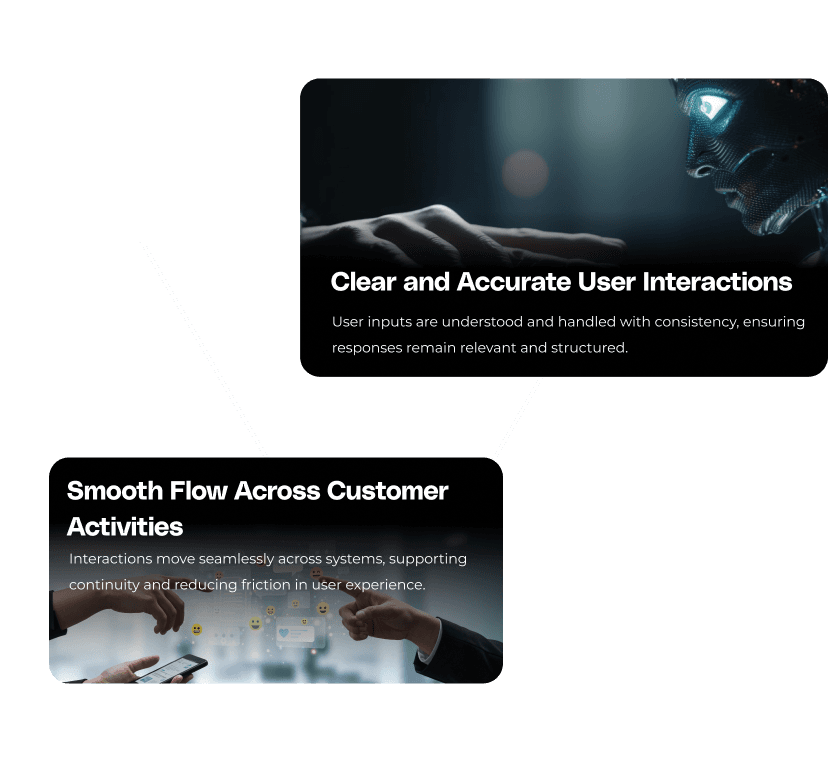
Connected knowledge systems put accurate content into daily workflows. Teams act on verified information without switching tools or waiting on manual lookups.
What This Enables:
Knowledge access inside the tools teams use daily
Less time switching between systems to find answers
Up-to-date content across connected platforms
More accurate retrieval and fewer wrong answers
Knowledge aligned with real business workflows
Production-ready AI Knowledge Base Systems
You receive a deployed knowledge base built for daily use with semantic search, organized content, admin controls, and integrations ready for your team.
Faster Knowledge Discovery
Structured categories and semantic links help users find answers quickly without browsing disconnected files or outdated folders.
Context-Aware Answer Retrieval
Semantic search understands intent and context, so users get accurate responses even when queries are informal or incomplete.
Unified Documentation Access
Policies, support guides, training content, and ops docs live in one system, reducing duplication and outdated references across teams.
Intelligent Search Experience
RAG and vector search surface the right content based on user intent, cutting friction from question to answer.
Continuous Content Improvement
Search analytics show unclear topics, missing content, and weak pages so you can improve quality based on real usage.
Ready for Immediate Usage
We deliver structured content, search configuration, and integrations complete, so teams can start using the system right after launch.





Trusted for AI Knowledge Base development
The right partner affects how fast users find answers and how reliable search stays over time. We build around real search behavior, your content structure, and the tools your teams already use, not static document folders.
What Makes Our Approach Different
Search-Driven Content Structure
We organize content around how users actually search, not internal folder habits, so discovery paths stay clear and answers are easy to reach.
Intent-Aware Retrieval
Semantic search interprets meaning and context, improving accuracy when users phrase questions in everyday language.
Room to Grow Without Breaking Search
The system supports new docs and topics without losing retrieval quality as your knowledge base expands.
Connected Workflow Access
We integrate with support platforms and internal tools so answers appear inside daily workflows, not in a separate silo.
Tested Before Go-Live
We validate retrieval accuracy and search behavior with real scenarios before deployment so users get dependable results from day one.
Ongoing Improvement Support
Search analytics and usage patterns guide content updates so answer quality improves over time based on real behavior.

Frequently Asked Questions
Didn't get an answer?
We will reach out to you in less than 2 hours!
We build structured knowledge systems with semantic search and RAG. Services include content audit, structuring, platform setup, integrations, testing, and deployment tailored to your workflows.
Standard search matches keywords. AI Search understands meaning and context, so users get relevant results even when their phrasing differs from how content was written.
Teams with large document sets, high support volume, or distributed staff benefit most. Common users include SaaS support, HR, Healthcare, Finance, and Legal Tech teams.
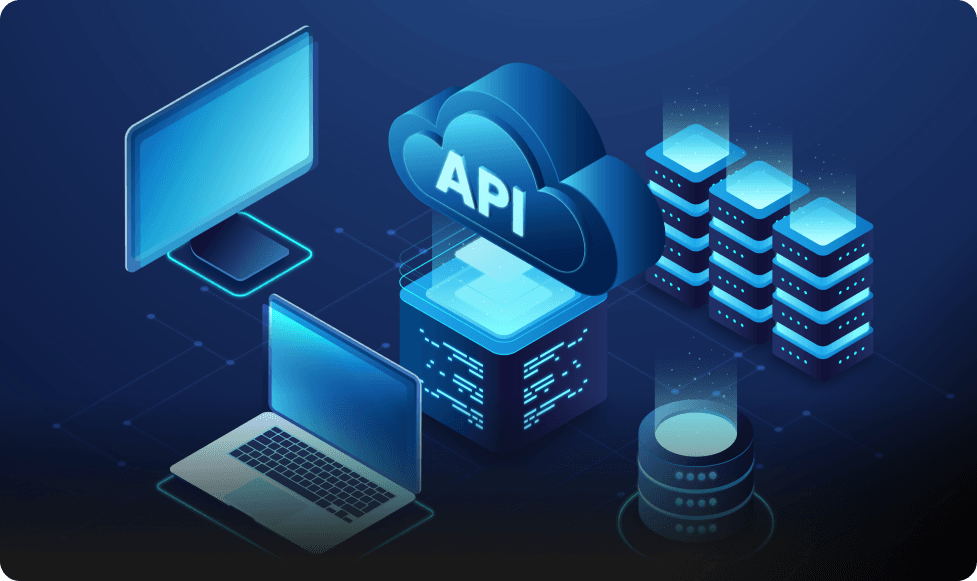
Yes. We connect to helpdesks, CRMs, internal apps, and custom systems through APIs so knowledge stays accessible inside tools your team already uses.
We set up content workflows for adds, updates, and removals. Search analytics reveal gaps and unclear topics so you can refine content based on real usage.
Focused builds typically take 4 to 8 weeks. Larger migrations or complex integrations may need 8 to 14 weeks depending on content volume and scope.
We audit and categorize existing docs during the first phase. Relevant content is structured and migrated. Outdated or duplicate material is archived or removed.
Didn't get an answer?
We will reach out to you in less than 2 hours!