OCR Handwritten Text
Extraction Service
Starling Elevate builds custom AI OCR pipelines that convert handwritten forms, invoices, clinical notes, and paper records into structured digital data. Our systems use vision transformer models including TrOCR and PaddleOCR, trained on your specific document types, and integrate directly with your ERP, CRM, or database via REST APIs. Teams in Healthcare, Finance, Legal, Education, and Retail use our pipelines to eliminate manual data entry. Handwritten text recognition (HTR) and intelligent document processing (IDP) pipelines built for production workflows in Healthcare, Finance, Legal Tech, Education, Restaurant, Retail, and Real Estate. Extracted records sync directly to your CRM, ERP, and accounting systems via custom APIs or workflow automation.
Handwriting Recognition Accuracy
Faster Document Digitization
Fewer Manual Processing Errors
Average Processing Time Per Page

Handwritten OCR built for Real Business Workflows
Converting handwriting to text is fundamentally harder than printed document OCR. Human penmanship varies in slant, stroke width, letter connections, and spacing, and a system that achieves 99% accuracy on a typed invoice can drop to 60-70% on a handwritten form without domain-specific training. Industry benchmarks show that the average handwriting OCR tool achieves only around 64% accuracy out of the box. Custom-trained pipelines consistently reach 85-99% on real business documents.
Starling Elevate builds production OCR pipelines that close this gap. We use deep learning architectures including TrOCR, PaddleOCR, Donut, and LayoutLMv3, trained on your specific document variations, from mobile phone camera uploads to low-resolution archive scans. Every deployment is evaluated against Character Error Rate (CER) and Word Error Rate (WER) benchmarks before go-live.
How Accuracy Is Maintained at Scale
Three mechanisms keep extraction quality high across high document volumes:
- Automated confidence scoring: Each extracted field receives a probability score. Fields below your defined threshold route to a human review queue rather than entering downstream systems automatically.
- Line segmentation training: Models are trained on your specific handwriting patterns, including cursive, print-style, mixed scripts, and field-specific abbreviations used by your team.
- Feedback loop integration: Corrections made during human review feed back into model training, improving accuracy on your document types over time.
What the Pipeline Handles
Our OCR systems process patient registration sheets, delivery receipts, warehouse logs, supplier invoices, clinical notes, legal annotations, and multi-page agreements. Engagements include sample batch testing, field mapping, ERP or database integration, and post-launch threshold tuning. Typical go-live timelines range from two to six weeks depending on document variety and integration complexity.
OCR handwritten text extraction solutions
We combine image preprocessing, vision transformer models, and automated field mapping so extracted text flows directly into your database schemas with verified accuracy. Each stage is configurable to your document types, volume, and downstream systems.
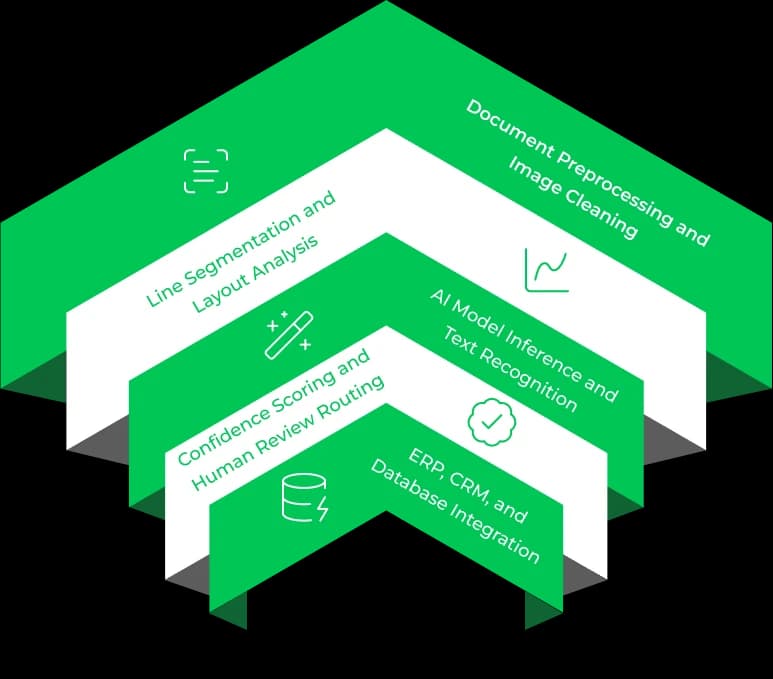
Document Preprocessing and Image Cleaning
Raw inputs, whether phone camera photos, flatbed scans, or faxed pages, go through binarization, deskewing, adaptive contrast enhancement, and noise reduction. This step is critical: a 2026 benchmark study found that source documents should meet at least 300 DPI with good ink-to-background contrast for reliable extraction. Our pipeline applies preprocessing automatically before any model inference runs.
Line Segmentation and Layout Analysis
Cursive paragraphs are segmented into individual text lines. For structured forms, the pipeline maps field labels to their corresponding handwritten values using layout-aware models such as LayoutLMv3. Tabular data, checkboxes, and multi-column sections are handled separately from free-text areas.
AI Model Inference and Text Recognition
Segmented lines pass through handwriting-specific models including TrOCR, PaddleOCR, and Mistral OCR, selected and fine-tuned based on your document language, handwriting style, and field types. Raw predictions map to validated JSON schemas, pulling names, dates, tax IDs, amounts, and line items with bounding boxes for visual verification.
Confidence Scoring and Human Review Routing
Every extracted field receives a confidence score. Fields scoring below your defined threshold route to a review queue where a team member can approve or correct the value with one click. This hybrid approach allows organizations to achieve 99%+ effective accuracy even on difficult cursive or degraded documents.
ERP, CRM, and Database Integration
Validated JSON output delivers to your target systems through REST APIs, webhooks, or direct database connections. Supported integrations include SAP, Salesforce, QuickBooks, custom internal databases, and cloud storage platforms including AWS S3 and Google Cloud Storage. Edge-case feedback from the review queue feeds back into model retraining continuously.


Intelligent document processing for handwritten files
Our handwritten document processing pipelines are deployed across eight industries where paper records remain part of daily operations. Each implementation is configured for the document types, field structures, compliance requirements, and downstream systems specific to that sector.
What This Enables:
- Healthcare: Patient Forms, Clinical Notes, and PrescriptionsHealthcare teams process patient intake forms, clinical notes, prescription pads, and insurance claim forms. Handwritten clinical notes remain challenging for OCR, with advanced models achieving 88–92% accuracy without domain fine-tuning. Our pipelines are trained for medical terminology and form layouts, with HIPAA-compliant data handling and on-premises deployment options for strict data residency requirements.
- Finance: Invoices, Tax Forms, and Loan ApplicationsFinance and banking teams process invoices, tax forms, expense reports, and loan applications. Custom-trained models can achieve 95–97% field-level accuracy on structured financial forms, extracting key details such as line items, totals, vendor names, and tax IDs while reducing reconciliation time and compliance risk.
- Legal: Contracts, Case Notes, and Annotated DocumentsLegal teams process contracts, case notes, and regulatory filings with handwritten annotations. Our pipelines extract clause-level text with bounding boxes for visual verification and integrate with document management systems for searchable archives.
- Education: Attendance Sheets, Exam Forms, and Handwritten AssignmentsSchools and universities digitize handwritten attendance records, answer sheets, enrollment forms, and student notes. Extracted data can feed into student information systems and learning management platforms, reducing manual data entry for administrative staff.
- Restaurant and Hospitality: Supplier Records and Inventory PaperworkRestaurant operators digitize handwritten delivery receipts, supplier invoices, and inventory sheets. Extracted data connects with procurement and POS systems, reducing manual entry and improving visibility into food costs and stock levels.
- Real Estate: Property Forms, Inspection Reports, and Lease DocumentsReal estate teams process handwritten inspection checklists, property condition reports, and lease amendment notes. Extracted fields map to property management platforms, keeping records current across portfolios.
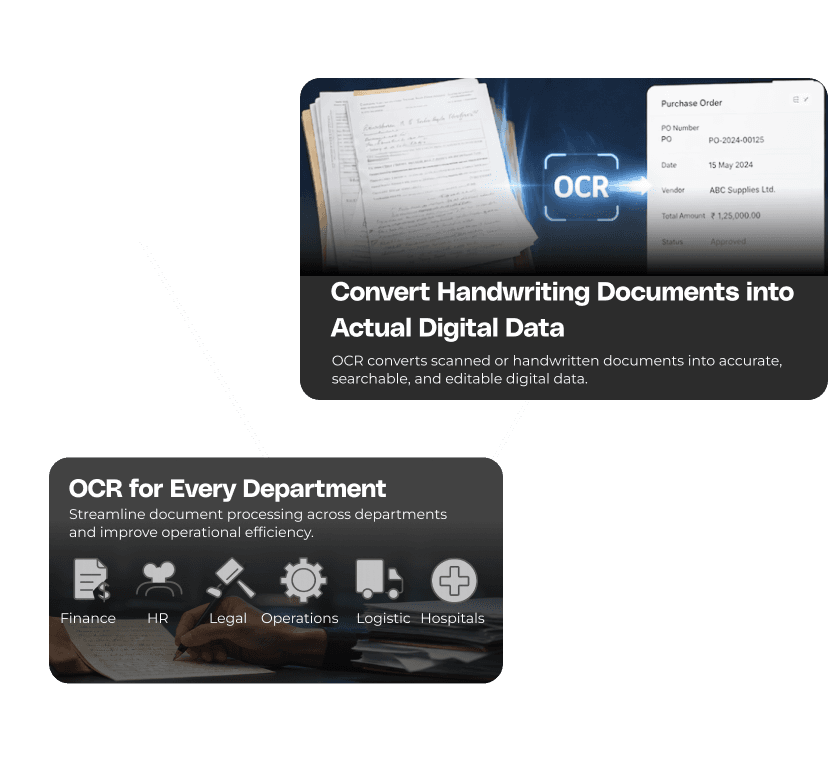
Measurable Business Impact of OCR Technology
Manual data entry from handwritten documents creates three compounding problems: transcription errors that corrupt downstream records, processing delays that slow billing and compliance cycles, and staff time spent on work that produces no strategic value. Automating handwritten document capture removes all three.
The cost of inaction is real. Legal, healthcare, and finance teams that rely on manual transcription report that compliance audits take significantly longer when records are not searchable, storage costs accumulate when documents cannot be deduplicated, and institutional knowledge stays locked in filing cabinets rather than accessible systems.
What This Enables:
Faster document cycle times
Reduced transcription errors
Searchable historical archives
Direct ERP and CRM sync
Scalable without headcount
Structured OCR data for business workflows
You receive structured outputs from handwritten forms, invoices, and operational paperwork. Data stays searchable, validated, and ready for connected systems in Healthcare, Restaurant, E-commerce, Education, Finance, Real Estate, and Legal Tech.
Accurate Handwriting Recognition
Recognize varied handwriting styles across notes, forms, invoices, and operational documents used in daily business environments.
Structured and Organized Data Output
Convert handwritten entries into labeled fields such as names, dates, amounts, and line items with consistent formatting.
Automated Data Extraction Across Documents
Extract handwritten information from invoices, forms, and logs to reduce repetitive manual entry across teams.
Faster Document Processing in Operations
Handle high volumes of handwritten records while keeping processing speed stable for day-to-day operations.
Practical Use in Business Workflows
Use extracted data directly in CRMs, ERPs, accounting tools, inventory systems, and connected operational apps.
Consistent and Reliable Output Quality
Maintain stable OCR output across changing handwriting styles, document types, and real-world scan conditions.





Trusted for Accurate OCR Results
Choosing the right OCR partner matters when handwritten records affect billing, compliance reporting, and daily operations. Off-the-shelf cloud APIs provide baseline accuracy on standard documents but lack the custom training, integration depth, and ongoing support that production workflows require. Starling Elevate designs each pipeline around how your documents actually move through your organization.
What Makes Our Approach Different
Custom model training on your documents, not generic datasets
Off-the-shelf OCR tools are trained on public handwriting datasets. Your team's forms, abbreviations, and field layouts are different. We train on a sample batch of your actual documents before deployment, which is why our pipelines consistently outperform generic APIs on real-world accuracy tests.
Workflow-first implementation
We map the full document journey before building: where documents originate, how they are captured, which fields matter, where data needs to go, and what happens when confidence is low. This means the pipeline fits your process rather than requiring your process to adapt to the tool.
Compliance-aware deployment options
Healthcare, finance, and legal teams in the US, UK, India, and Malaysia operate under different data governance requirements. We support HIPAA-compliant configurations, GDPR-aligned data handling, and on-premises deployment for organizations that cannot send documents to external cloud APIs.
Immediate usability in downstream systems
Output is formatted for direct ingestion into CRMs, ERPs, inventory software, and accounting systems with automated schema validation. No manual reformatting, no copy-paste between tools.
Built for real working conditions
The pipeline handles irregular penmanship, low-light phone photos, angled captures, mixed printed-and-handwritten documents, and multi-page packets. Real documents are never as clean as vendor demos suggest.
Global delivery with local context
We serve clients across the United States, United Kingdom, Canada, Australia, Singapore, Malaysia, UAE, and India. For businesses in India and Malaysia specifically, our team understands local document formats, regional handwriting conventions, and compliance frameworks relevant to those markets.
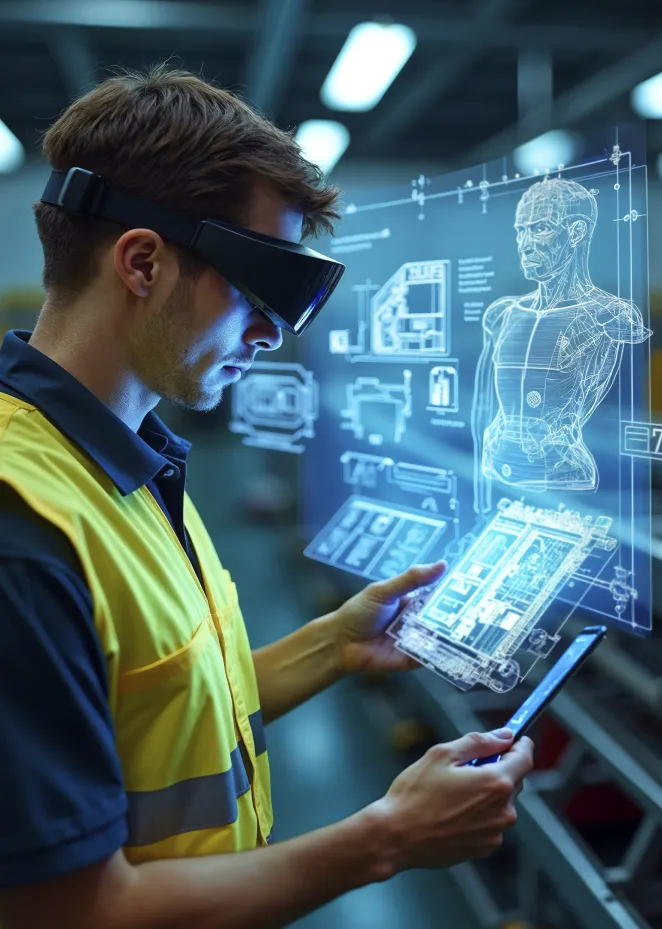

High-Performance Tech Stack
We build OCR systems using vision transformers, handwriting-recognition models, and layout-parsing AI to convert handwritten text into precise, structured digital data.






OCR Integrations for
Business Workflows
We connect handwritten document processing with the platforms your business already uses. OCR output can sync with CRMs, ERPs, cloud storage, and internal apps so document data stays current across departments. This keeps forms, invoices, and handwritten records inside connected workflows instead of isolated folders. Teams gain faster execution, fewer manual handoffs, and better access to operational data.
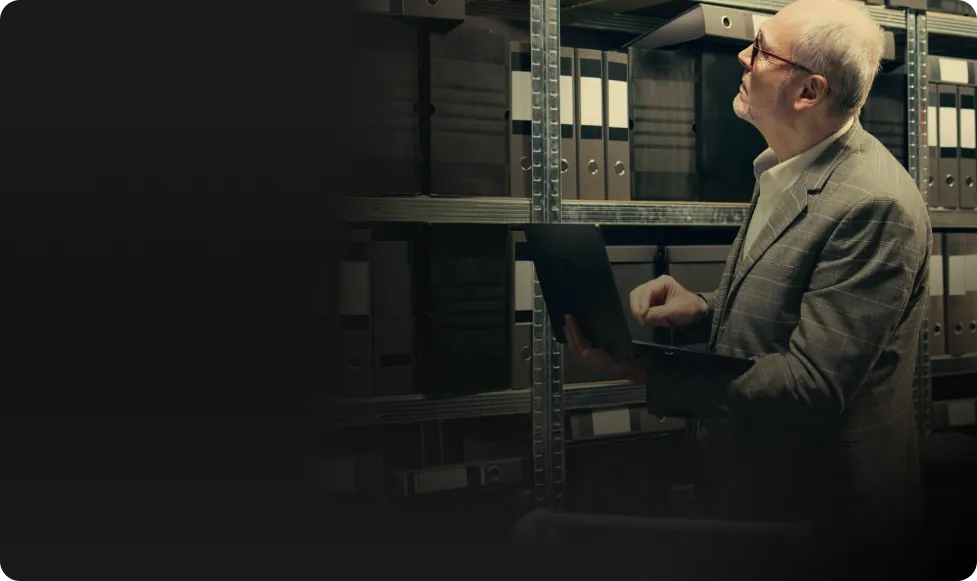
Document & Storage Integration
Connect OCR with cloud storage and document repositories so handwritten files are processed and stored as searchable records.
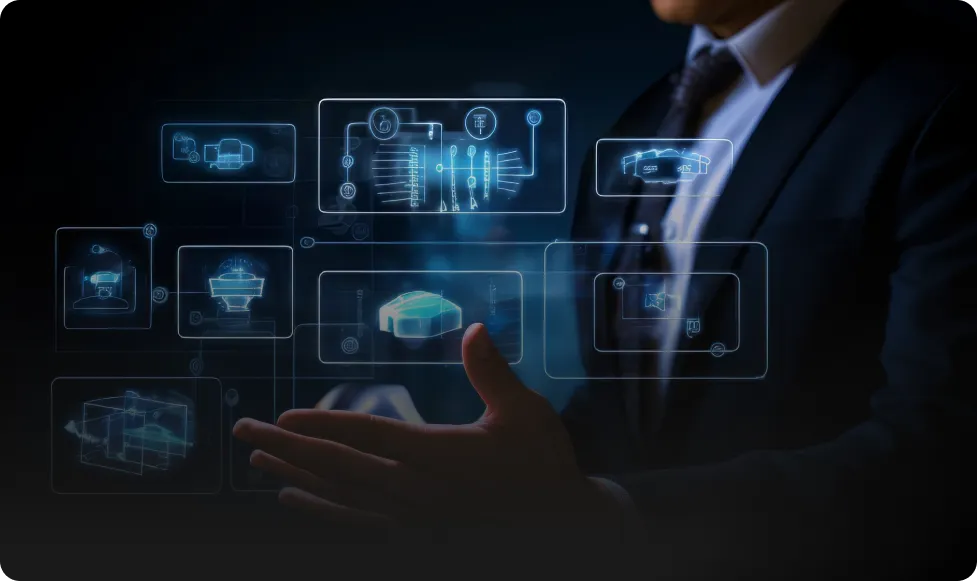
Business Applications Integration
Send extracted data into CRM, ERP, accounting, and operations platforms to keep business workflows connected and accurate.
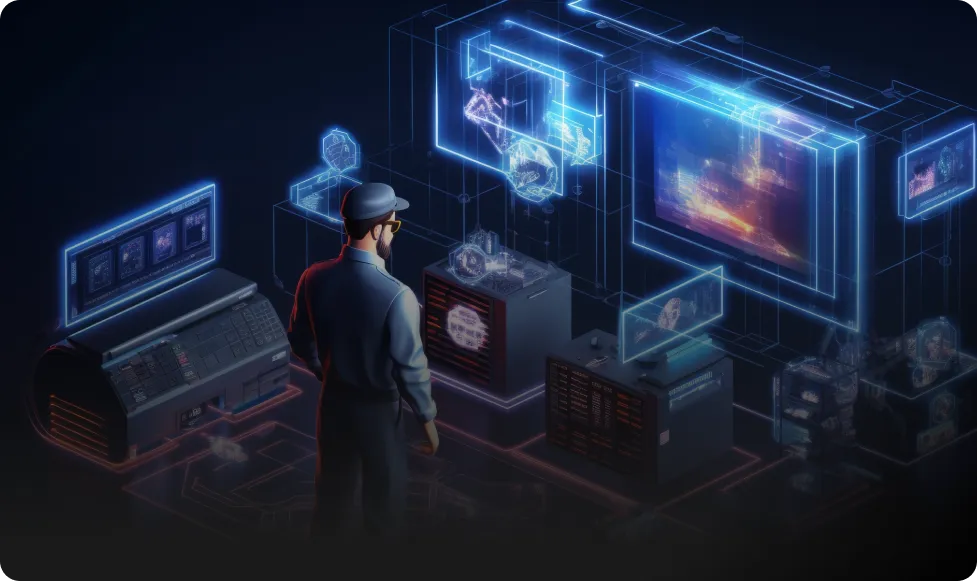
Workflow Automation Integration
Add OCR to approval and processing workflows to reduce manual handling and improve team efficiency.

API-Based System Connectivity
Use APIs to connect OCR processing with internal tools, cloud services, and business apps without disrupting current workflows.
Optimize Your OCR Integration with Expert Support
Get guided support for OCR setup, integration planning, and rollout so your team can go live with confidence.
No Middlemen
Skip support queue and talk directly with the decision makers.
Align Faster
Share your goals, challenges, and priorities get aligned instantly.
Better Solutions
Get expert insights and tailored guidance for your unique integrations.
Build Trust
Transparent conversations that build long-term partnerships.
Ready to Connect?
Book a one-on-one call with our CEO or CTO.


100+ business trust our experts for seamless integrations.


OCR Solutions for Every Industry
Our handwritten OCR software supports Healthcare, Finance, E-commerce, Education, Legal Tech, Real Estate, Restaurant, and Photography teams where paper forms and manual records are still part of daily work.
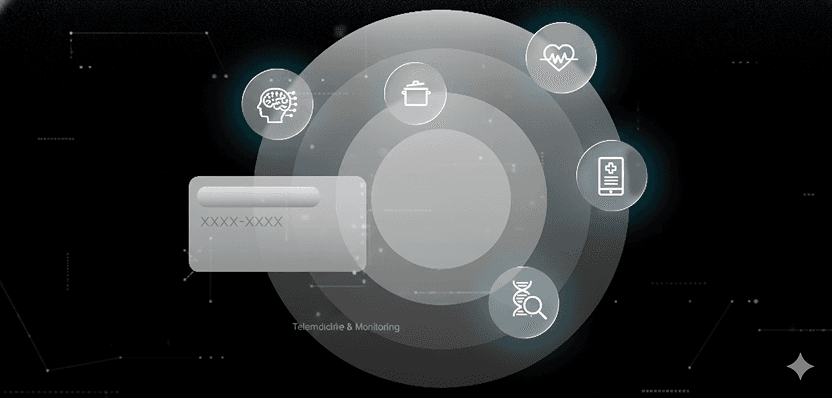
Healthcare Data Digitization
Digitize prescriptions, patient notes, and clinical forms into searchable records for Healthcare teams and reporting workflows.
View Case Study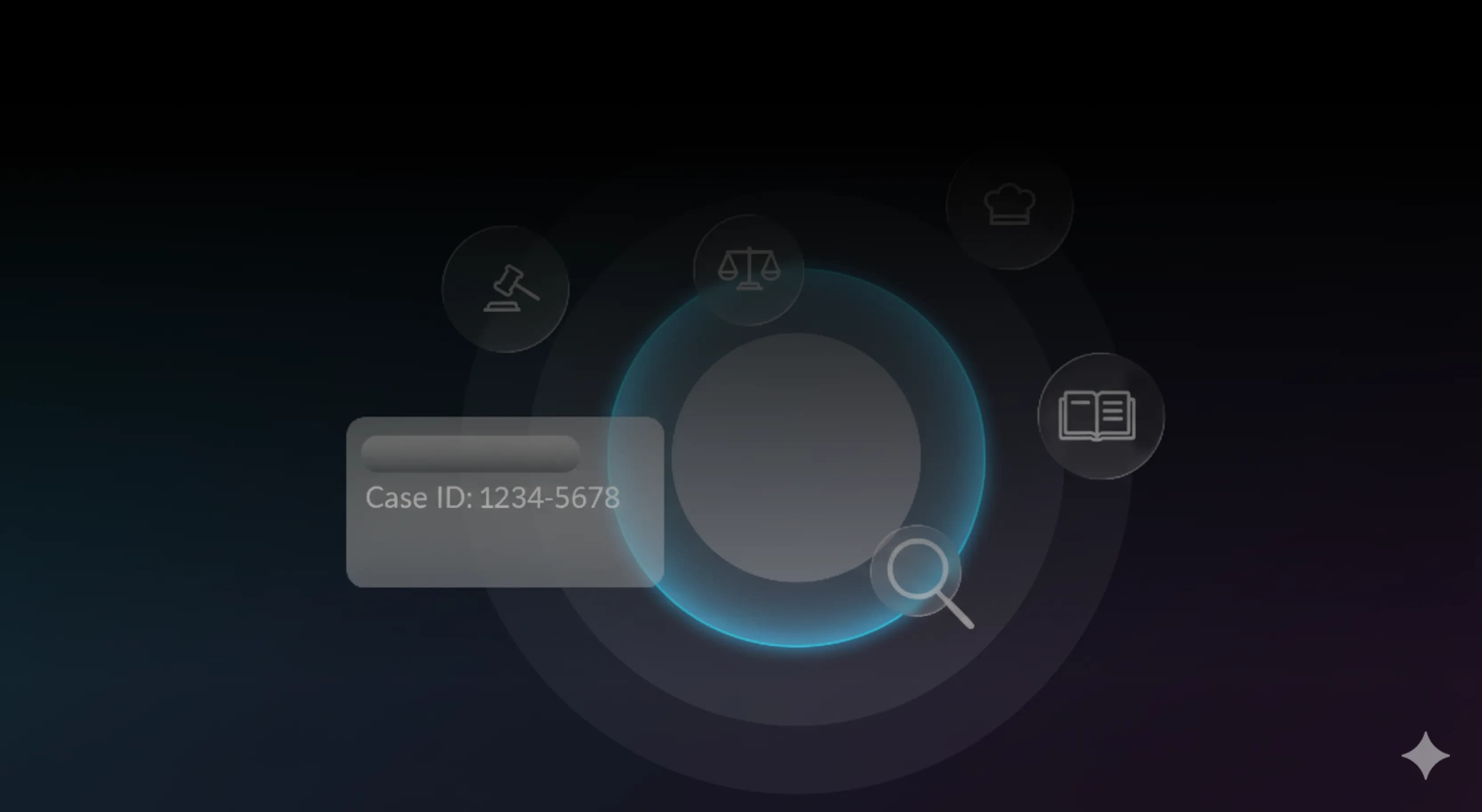
Legal Document Processing
Convert handwritten agreements, case notes, and legal documents into structured data for faster review and retrieval.
View Case Study
Education Content Digitization
Turn handwritten notes, attendance sheets, and exam forms into organized digital records for schools and universities.
View Case Study
Restaurant Procurement & Inventory Intelligence
Digitize supplier records and inventory paperwork to improve procurement visibility and Restaurant operations.
View Case Study
Financial Document Processing
Extract data from handwritten financial forms and invoices for faster, more reliable Finance processing.
View Case StudyFrequently Asked Questions
Didn't get an answer?
We will reach out to you in less than 2 hours!
Standard OCR is designed for printed fonts with uniform baselines. Handwritten Text Recognition (HTR) uses deep learning vision models, specifically transformer architectures, to parse variable character shapes, cursive connections, irregular spacing, and slanted baselines. Generic OCR tools average around 64% accuracy on handwriting; custom HTR models reach 85-99%.
The pipeline cleans the scanned image, segments it into individual text lines, and passes each segment through a vision transformer model such as TrOCR or PaddleOCR. The model predicts character sequences and outputs structured text with a confidence score for each extracted field.
Yes. The pipeline detects both key-value pairs and tabular rows, extracting vendor names, dates, line items, and totals from paper invoices. Output formats match your accounting system schema, allowing direct entry into accounts payable workflows without manual reformatting.
Custom-trained models achieve 85-99% field-level accuracy on real business documents. When scans are degraded or handwriting is ambiguous, automated confidence scoring flags specific fields for human review before data enters downstream systems. This hybrid approach delivers 99%+ effective accuracy in production.
Yes. Models are fine-tuned on medical terminology, clinical form layouts, and physician handwriting patterns. Extracted fields map to electronic health record schemas. HIPAA-compliant configurations and on-premises deployment options are available for healthcare organizations with strict data residency requirements.
Extracted data is formatted as JSON and delivered through REST APIs, webhooks, or direct database connections. This allows automatic updates in SAP, Salesforce, QuickBooks, and custom internal systems. Typical integration setup takes one to two weeks depending on API complexity.
On structured forms with legible handwriting, CER typically falls between 1% and 5%. Industry benchmarks show that print-style handwriting achieves 85-90% character accuracy, while mixed cursive reaches 75-85%. Custom fine-tuning on your specific documents brings error rates significantly below off-the-shelf API baselines.
Every extracted field receives a probability score. Fields scoring below your defined confidence threshold route to a review queue where a team member approves or corrects the value with one click. Corrections feed back into model training, improving accuracy on your document types over time.
The pipeline handles patient intake forms, physician notes, prescriptions, supplier invoices, delivery receipts, legal contracts and annotations, lease documents, attendance sheets, exam forms, warehouse logs, and multi-page handwritten reports. Both structured forms and free-text handwriting are supported.
Most engagements go live in two to six weeks. The process includes a sample batch benchmark evaluation, model training on your documents, field mapping, integration with your ERP or CRM, and post-launch threshold tuning. Timeline depends on document variety and the number of downstream system integrations required.
Didn't get an answer?
We will reach out to you in less than 2 hours!

Ready to eliminate manual data entry from your document workflows?
Book a free 30-minute call with our OCR engineers. We will review a sample of your documents, identify the right model architecture, and outline an implementation plan with timeline and integration requirements.

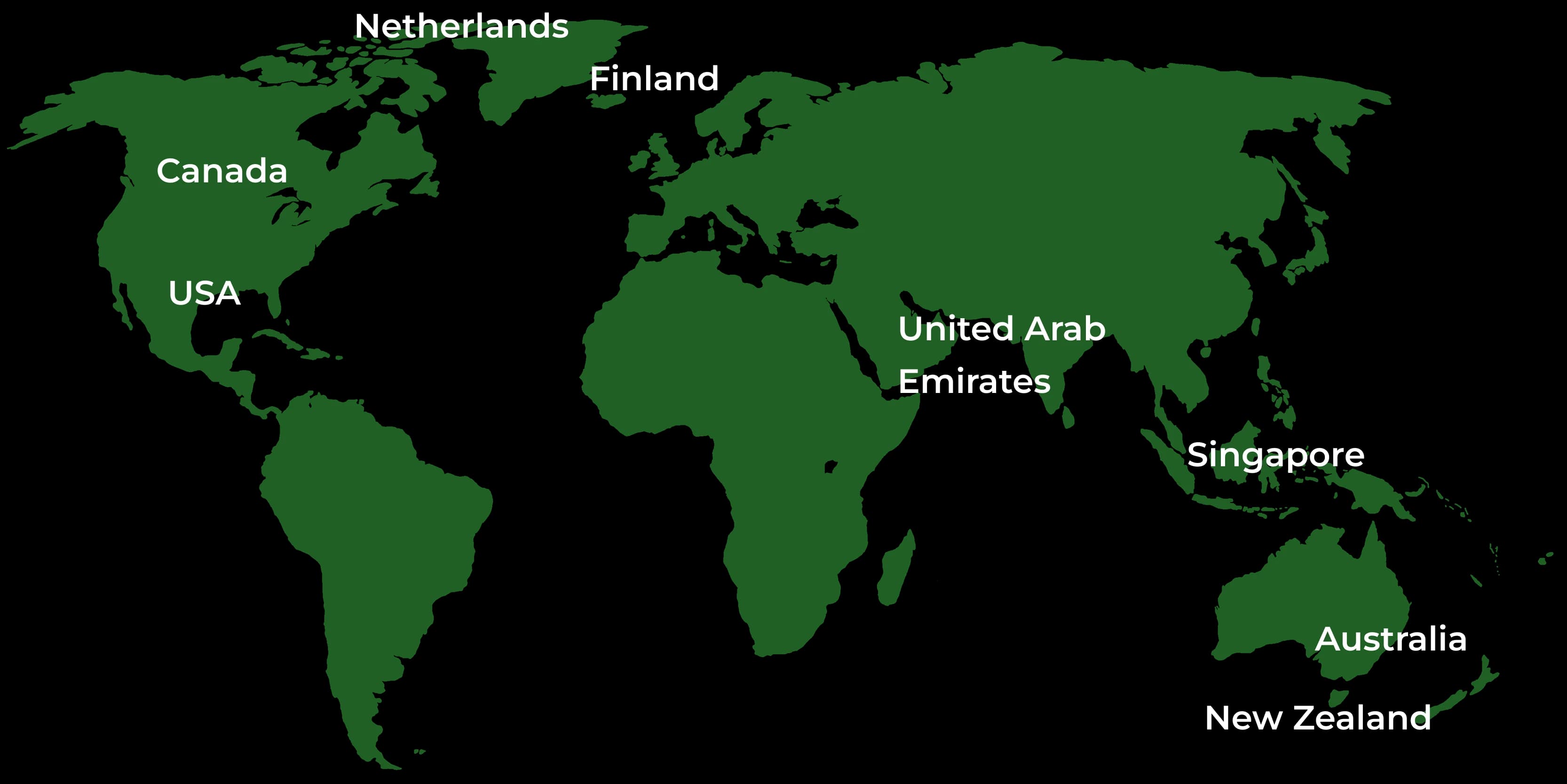
Serving in 30+ countries for AI development
United States (USA), United Kingdom (UK), Singapore, Germany, Canada, Australia, Ireland, Dublin, New Zealand, Netherlands, Norway, United Arab Emirates (UAE), Saudi Arabia, Qatar, Finland, Mexico, Switzerland, Spain, France, etc.

Trusted partner on
Clutch


Top-rated on
Trustpilot
