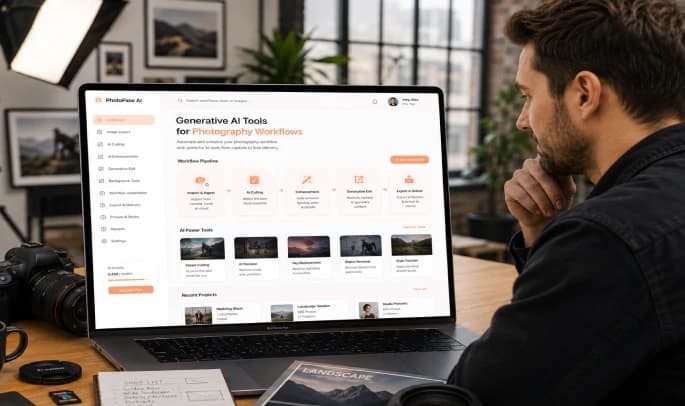
Creative Vibe Coding
For Photography Platforms


Technology We Used



Project Overview
A USA Photography studio outgrew a template-driven gallery site that forced rigid folders and fixed review screens. Photographers lost time switching between selection, comparison, and client presentation views, and creative leads could not organize shoots by story rather than file structure. Starling Elevate scoped Creative Vibe Coding for a Photography platform where navigation, gallery layout, and interaction patterns adapt to how professional teams review and present work.
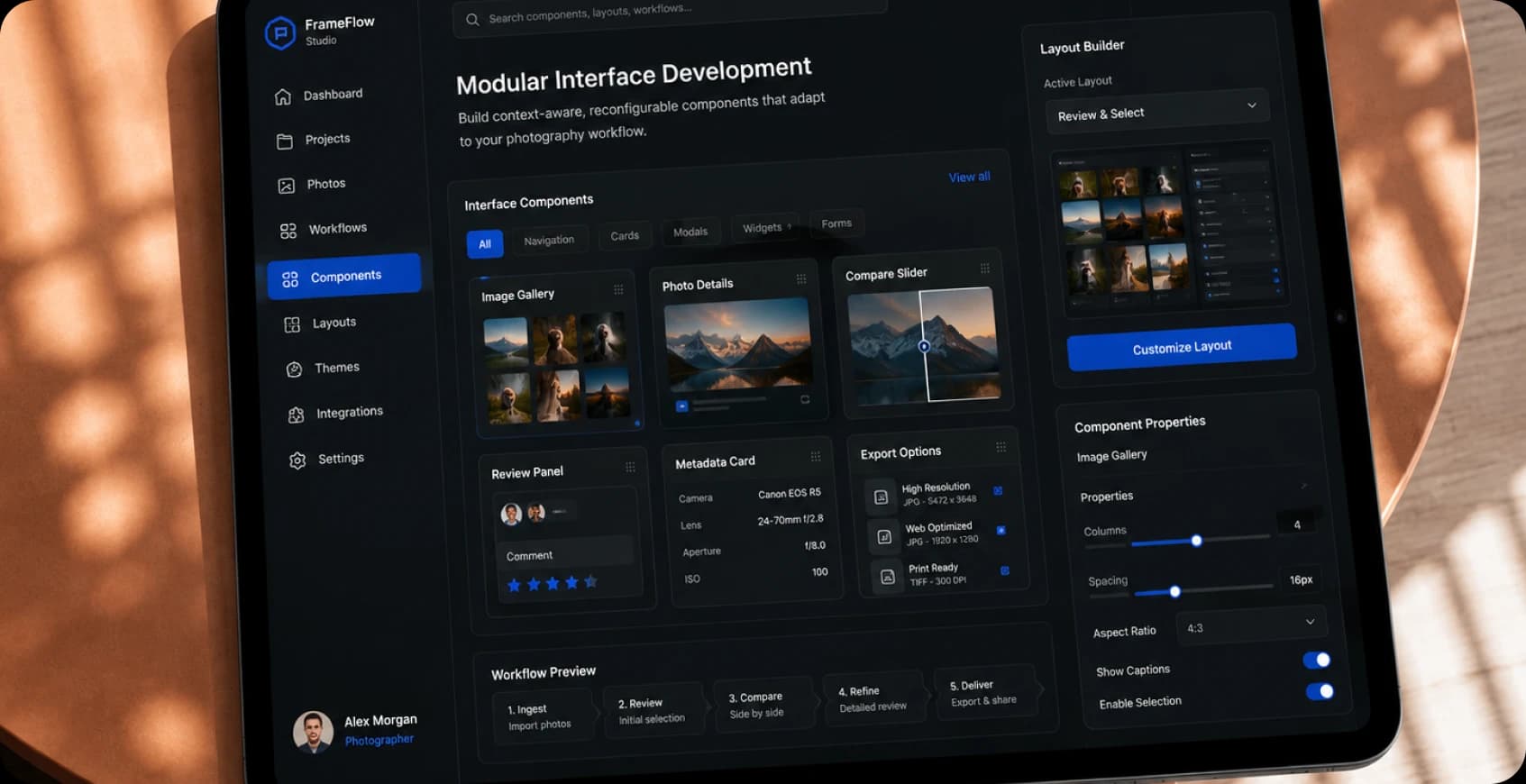
The three-month build used Claude Sonnet for rapid prototyping, Next.js and React for a modular front end, Cloudinary for image delivery, and Supabase for backend services. Work covered creative workflow mapping, context-aware navigation, photo selection and comparison tools, flexible gallery management, and API-ready architecture for future video support.
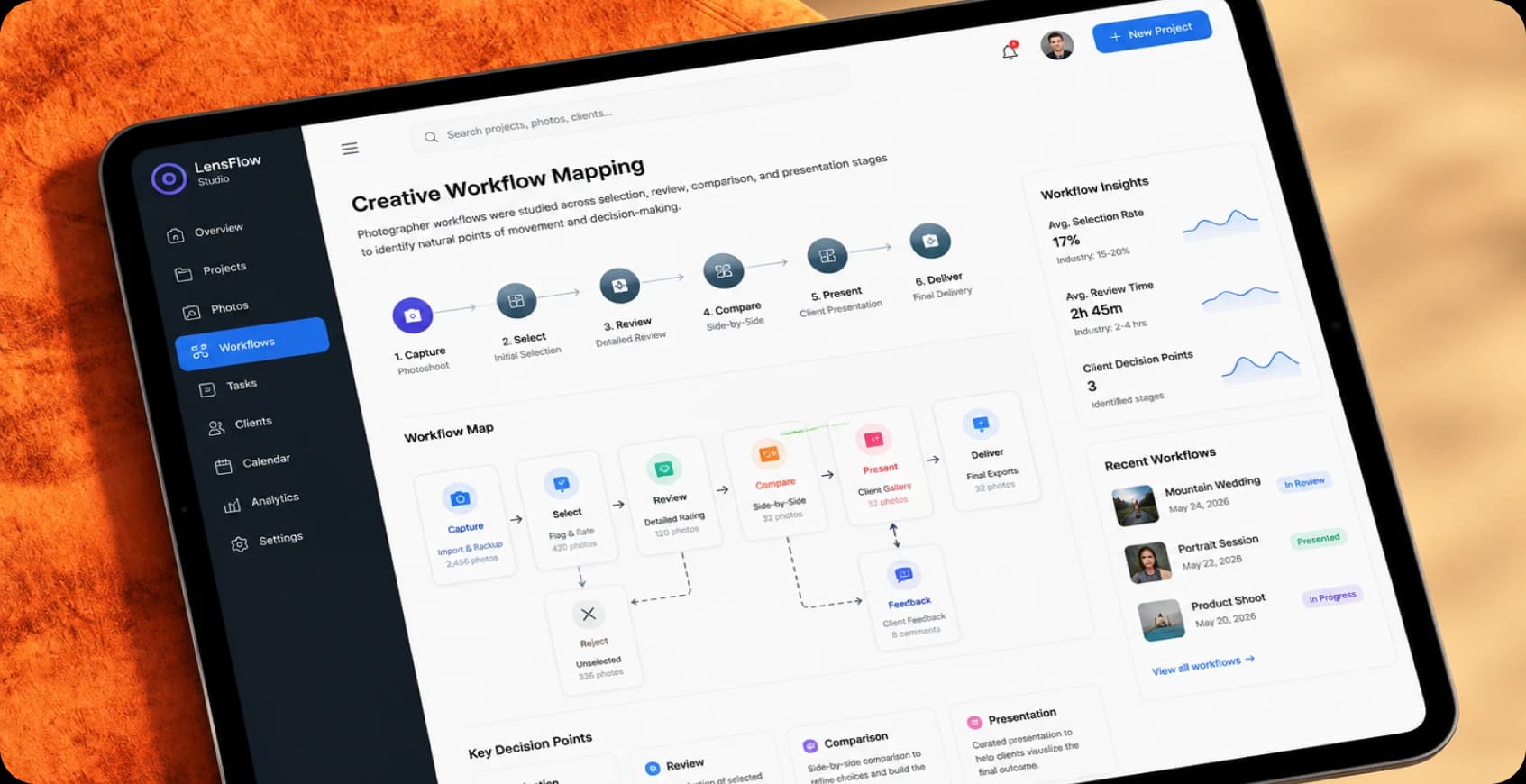
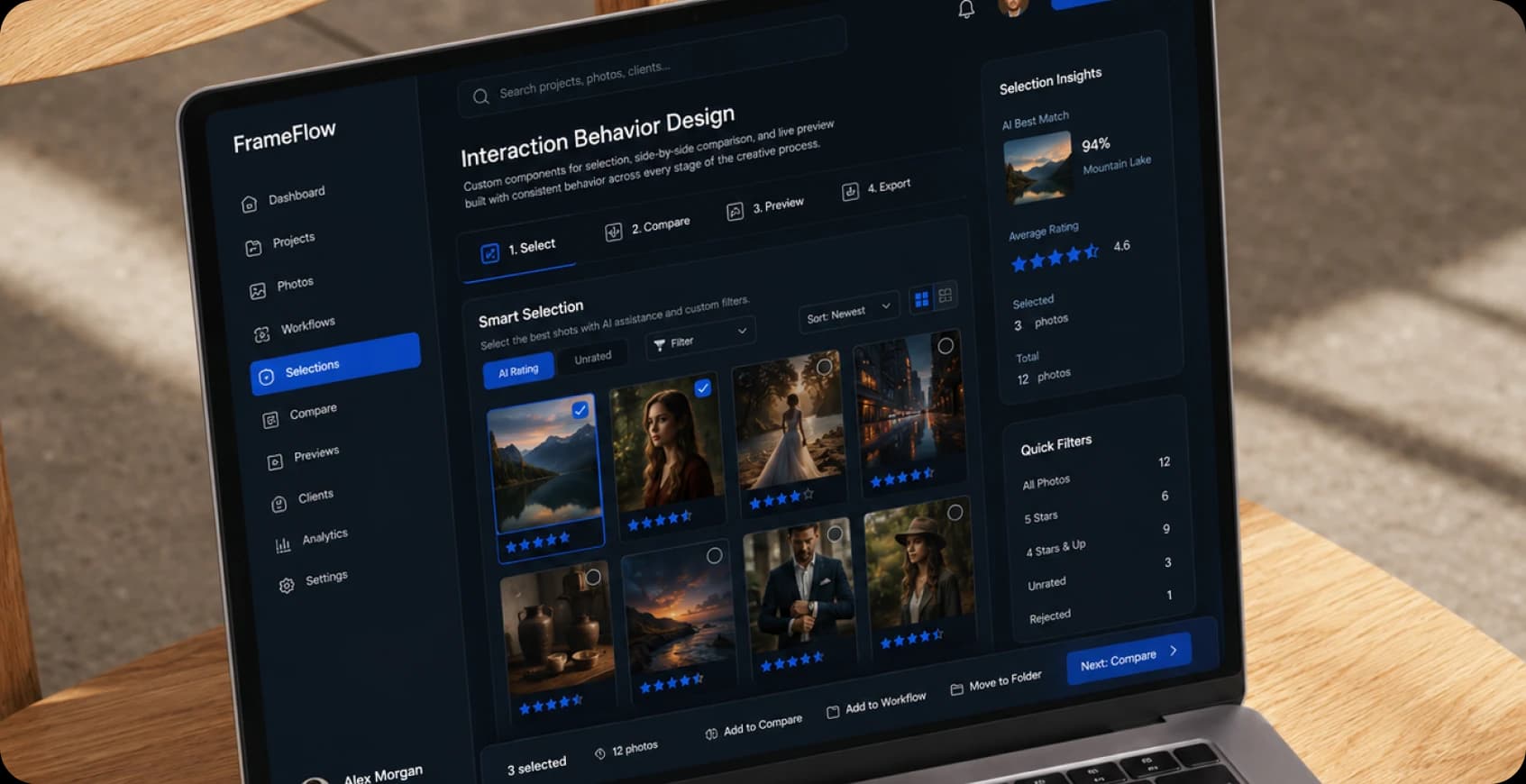
Studio photographers, retouchers, and client-facing producers needed one workspace for culling, side-by-side review, and narrative gallery presentation without reconfiguring templates per shoot. The scope included an adaptive user interface, modular component architecture, role-based access control, responsive web experience, and integration hooks for existing studio tools.
The team structured delivery around photographer workflow interviews, modular interface sprints, pilot launch with a production studio team, and tuning from selection speed, gallery organization time, and session completion metrics.
Why the Client Needed Vibe Coding for a Photography Platform
As the client's user base grew, a generic, template-driven interface started working against the creative process instead of supporting it. Photographers needed a platform that could flex around different shoot types, editing styles, and presentation formats without constant reconfiguration.
Rigid layouts that interrupted the natural flow of selecting, comparing, and grouping images.

Inconsistent interaction patterns across review, editing, and presentation views.

Difficulty organizing large galleries around a shoot's story rather than a fixed folder structure.
Limited flexibility to support different photography styles and shoot formats.
Balancing a highly flexible creative interface with a stable, maintainable codebase.
Preparing the platform to extend into video and mixed-media content down the line.
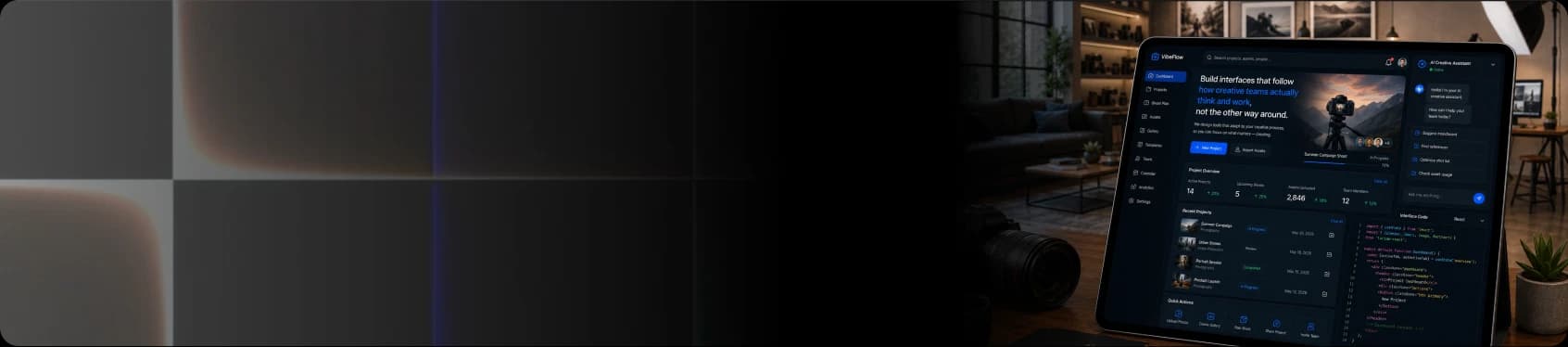
Design Platforms Around
Creative Flow
Build interfaces that follow how creative teams actually think and work, not the other way around.
How We Built the Creative Vibe Coding Platform
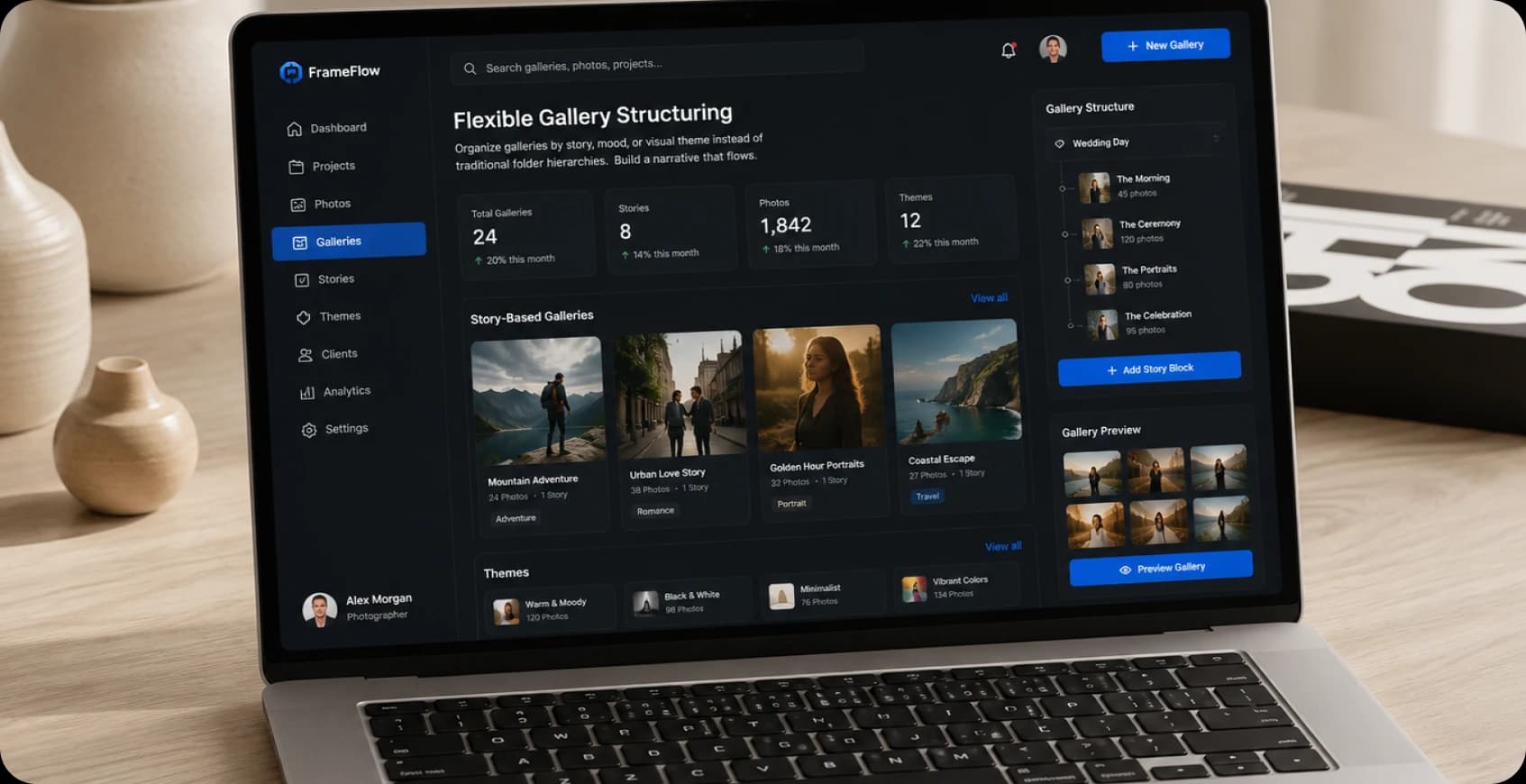
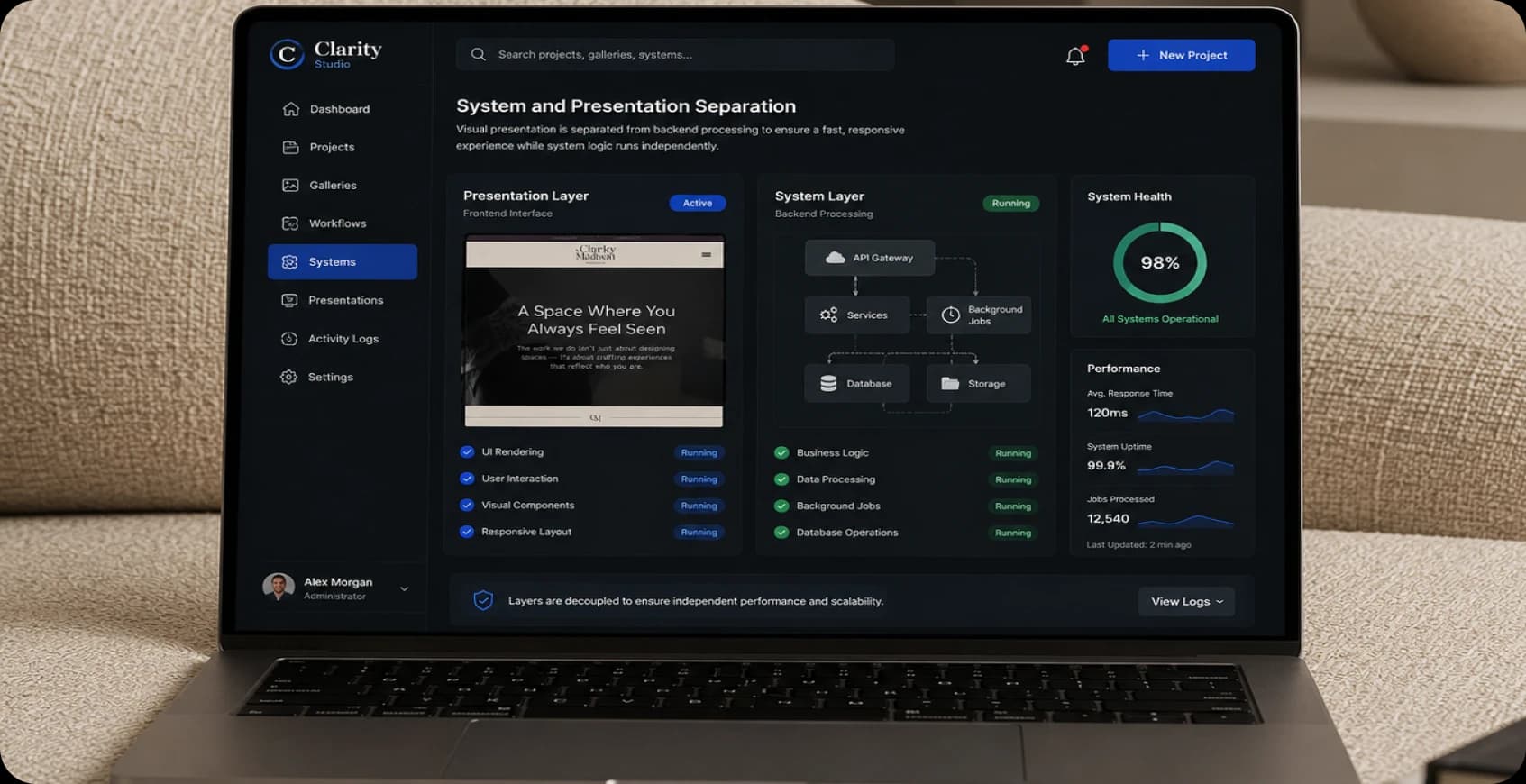
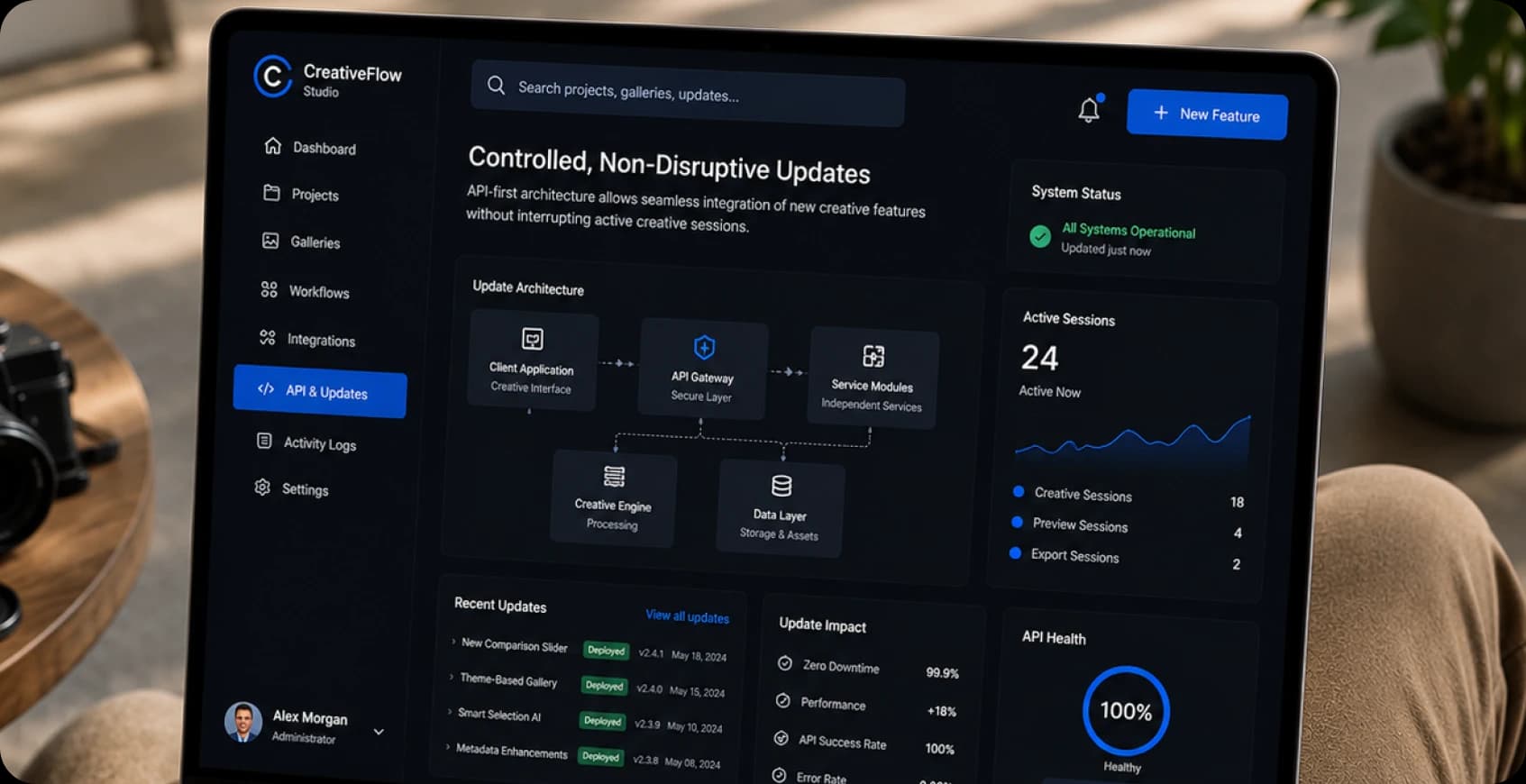
The build focused on translating creative behavior into how photographers scan, compare, and group images into interaction patterns and system architecture, rather than starting from a fixed screen layout.
Steps
What We Delivered
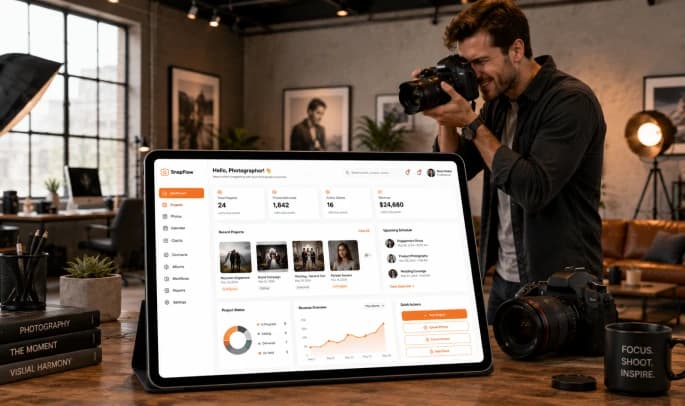
Starling Elevate delivered a vibe-coded Photography platform designed around real creative workflows, enabling photographers to review, organize, compare, and present images through a flexible, intuitive user experience.
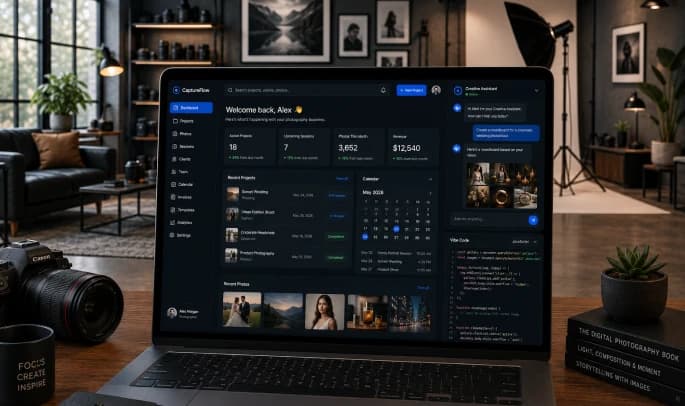
The platform delivered a flexible Photography workspace that supported creative decision-making while simplifying image review, gallery organization, and client presentation.
Results &
Business
Impact
By adapting to the way photographers work, the platform improved creative efficiency, simplified project management, and delivered a more intuitive experience from image selection to gallery presentation.
More Efficient Image Selection
Simplified Gallery Organization
Faster Project Completion
Improved Workflow Consistency
Greater Photographer Engagement
Better Creative Collaboration
Dependable Platform Experience
The Future of Vibe Coding for Photography Platforms
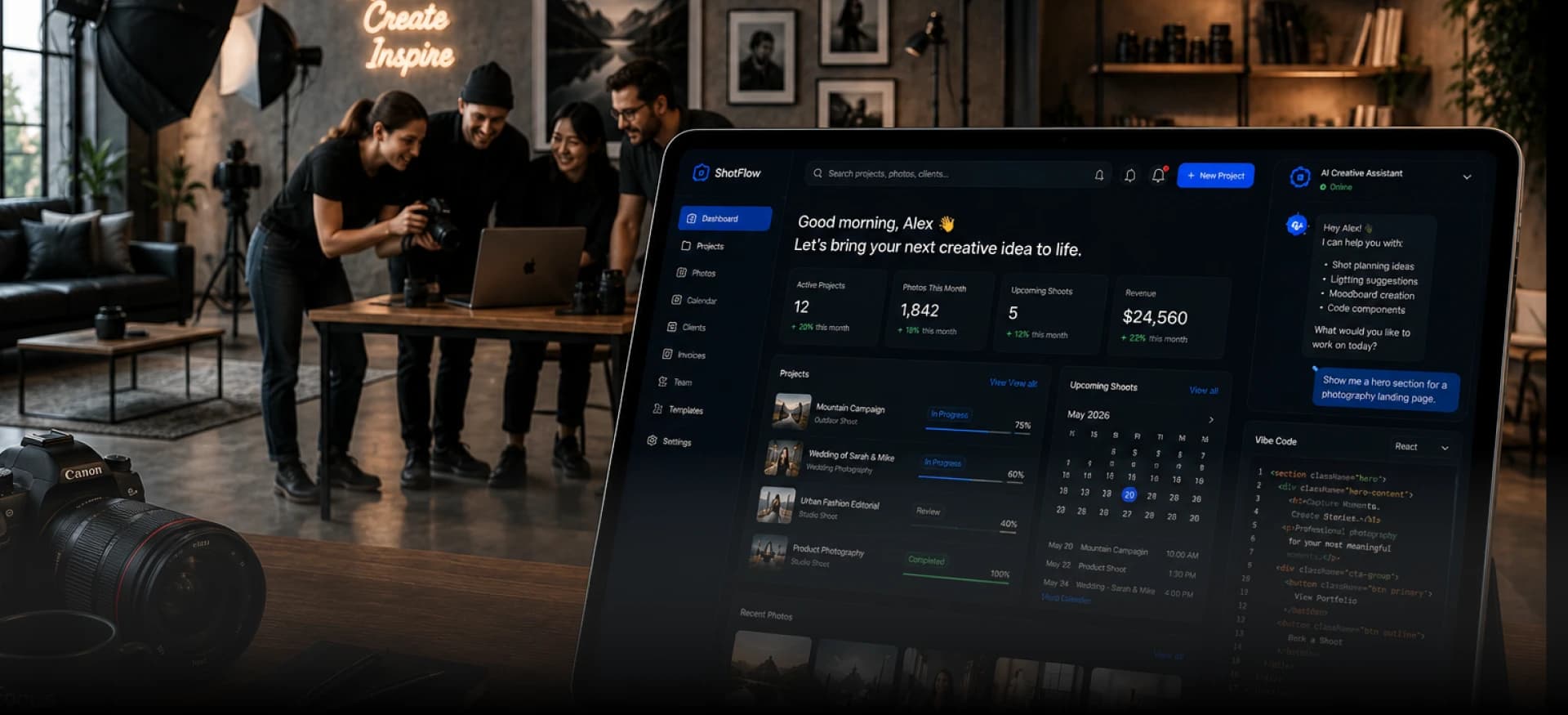
Creative platforms need to evolve alongside the creative mediums they support. Future work will extend the same Vibe Coding principles into new formats and richer personalization.
Support for Video & Mixed Media
Adaptive User Interfaces
Expanded Creative Workflows
Final Summary
Starling Elevate completed this Creative Vibe Coding for Photography Platforms project over three months for a USA studio. The release included a vibe-coded Photography platform, adaptive user interface, context-aware navigation, photo selection and comparison tools, flexible gallery management, modular component architecture, role-based access control, API integration framework, and responsive web experience aligned with existing studio workflows.
The studio achieved faster image selection and simpler gallery organization. Creative teams reduced workflow interruptions, completed projects faster, maintained consistent interaction patterns across review stages, increased photographer engagement, improved collaboration, and gained a dependable platform experience built for visual storytelling.
Frequently asked Questions
Didn't get an answer?
We will reach out to you in less than 2 hours!
Creative Vibe Coding shapes software around how photographers actually review, compare, and present work instead of forcing fixed templates. Starling Elevate built a USA Photography platform where adaptive navigation, flexible galleries, and context-aware interactions follow real studio creative workflows.
The solution uses Claude Sonnet for rapid prototyping, Next.js and React for modular front-end components, Cloudinary for image delivery, and Supabase for backend services. These tools support adaptive UI development, gallery management, and API-ready expansion for future video content.
Starling Elevate delivered this engagement over three months for a USA Photography studio. The timeline covered creative workflow mapping, modular interface sprints, pilot launch with a production team, and post-launch tuning from selection speed and gallery organization metrics.
The client struggled with rigid layouts, inconsistent interaction patterns across review views, story-driven gallery organization, limited flexibility for different shoot formats, balancing creative UI with maintainable code, and preparing the platform for future video and mixed-media support.
Flexible gallery management lets studios group images by narrative or visual theme instead of fixed folder hierarchies. Photographers organize client presentations faster, compare selections in context, and maintain creative flow from culling through final delivery without reconfiguring templates per shoot.
The studio gained more efficient image selection, simplified gallery organization, faster project completion, improved workflow consistency, greater photographer engagement, better creative collaboration, and a dependable platform experience aligned with professional Photography workflows.
Didn't get an answer?
We will reach out to you in less than 2 hours!

Build Your Creativity-First Platform
Align system behavior with your team's creative workflow using a Vibe Coding approach built for visual, presentation-driven work.