Generative AI Solutions
for Restaurant Operations

 Tech Stack
Technology We Used



Project Overview
A multi-location restaurant group in the United States needed one place to find recipes, supplier pricing, SOPs, and training guidance as the business grew. Starling Elevate built a Generative AI platform with RAG that connects procurement records, kitchen documents, and operational data into a conversational workspace linked to ERP, POS, and restaurant management tools.
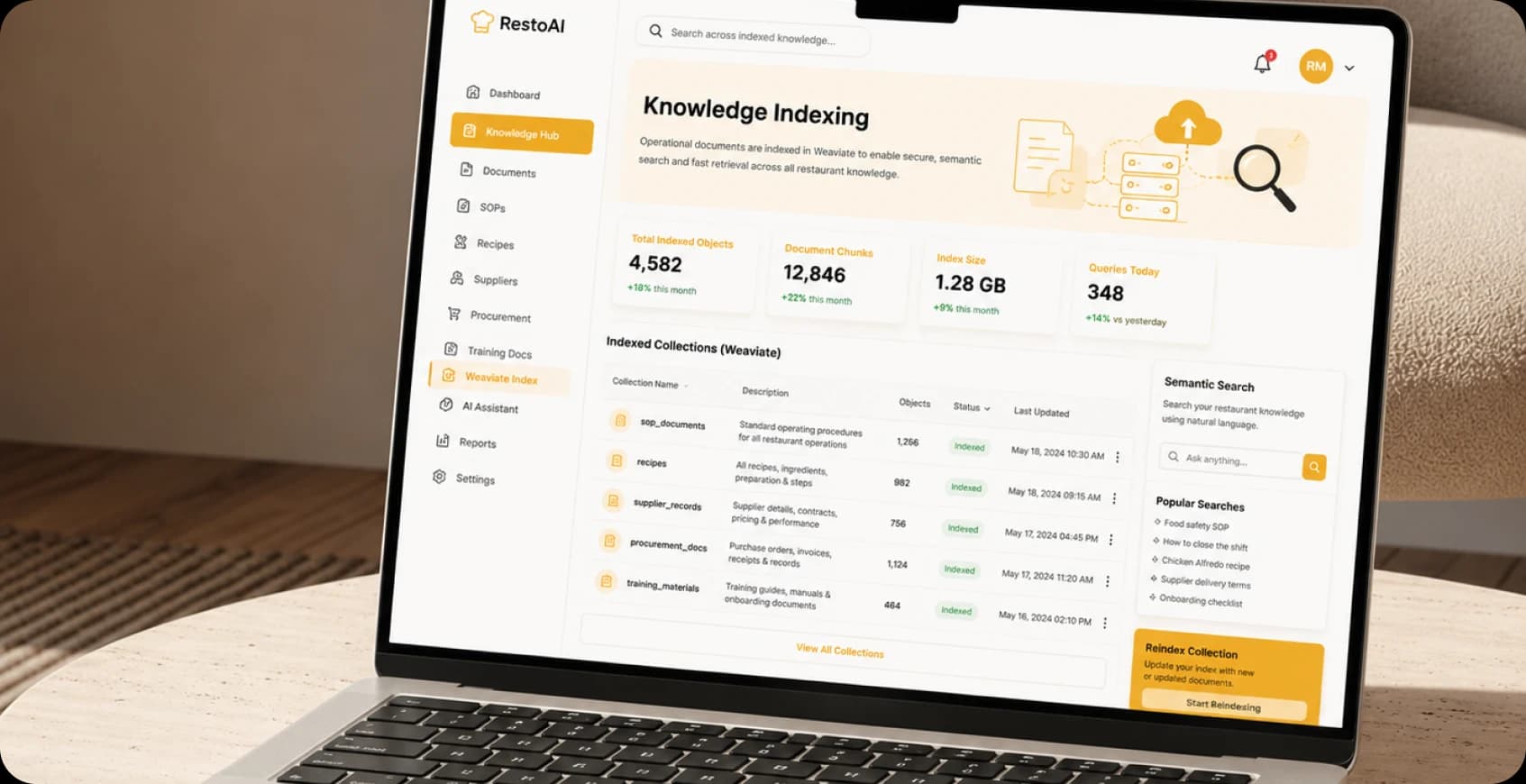
The six-month engagement used Claude on AWS Bedrock, LlamaIndex, Weaviate, and Python to index restaurant knowledge and answer staff questions with source-backed responses.
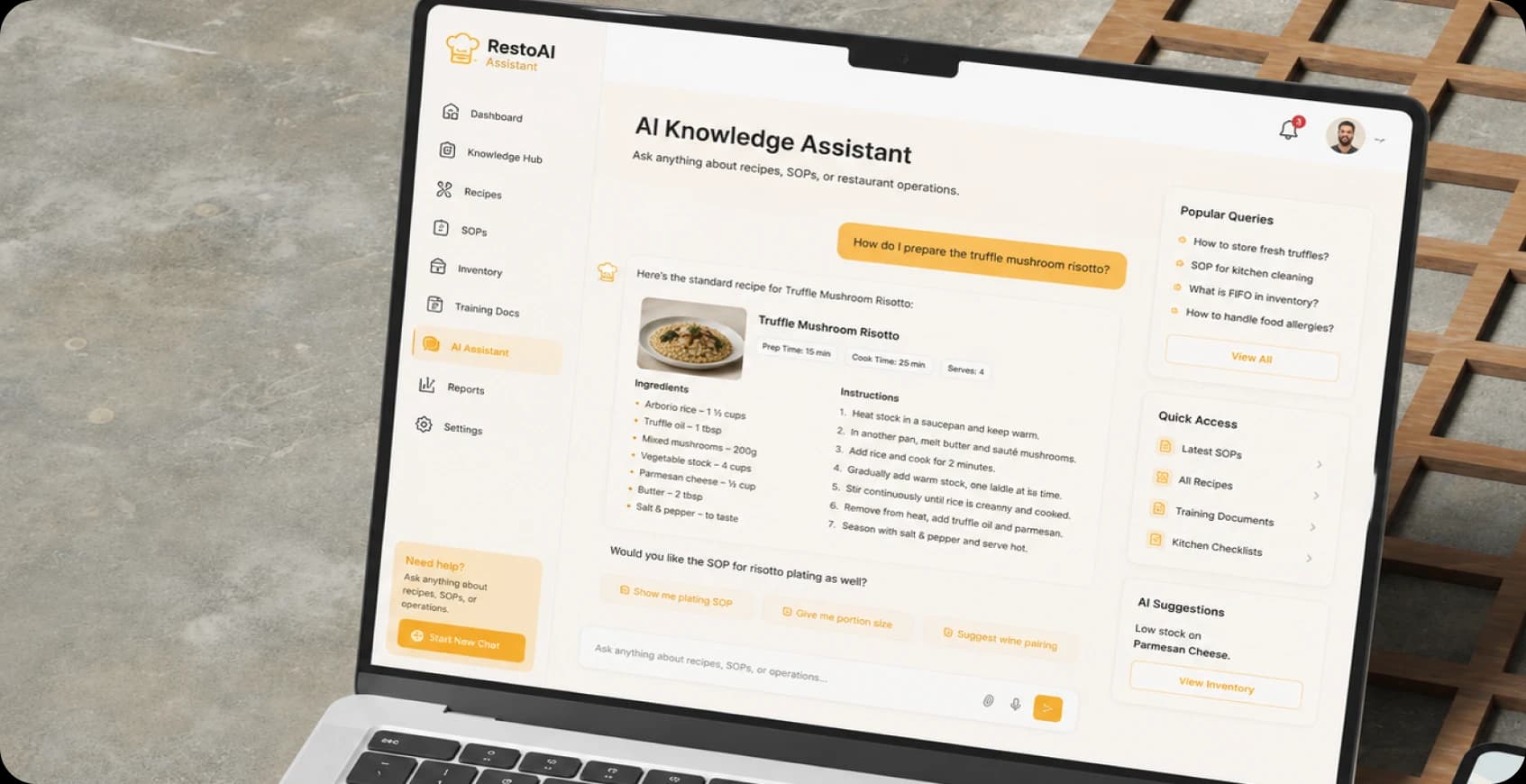
Managers use the platform for procurement reviews, menu costing, and policy lookups. Kitchen and front-of-house teams get faster answers without searching through folders, emails, or separate systems.
The solution covered knowledge consolidation, AI procurement insights, menu engineering support, a Generative AI assistant, and integrations with existing restaurant software used across US locations.
Business ChallengesWhy Restaurant Knowledge Became Difficult to Manage
As the restaurant group opened new locations, operational knowledge spread across supplier files, recipe folders, training PDFs, and procurement tools. Teams could run daily service, but finding trusted answers for costing, menu changes, and supplier decisions took too long without a shared knowledge layer.

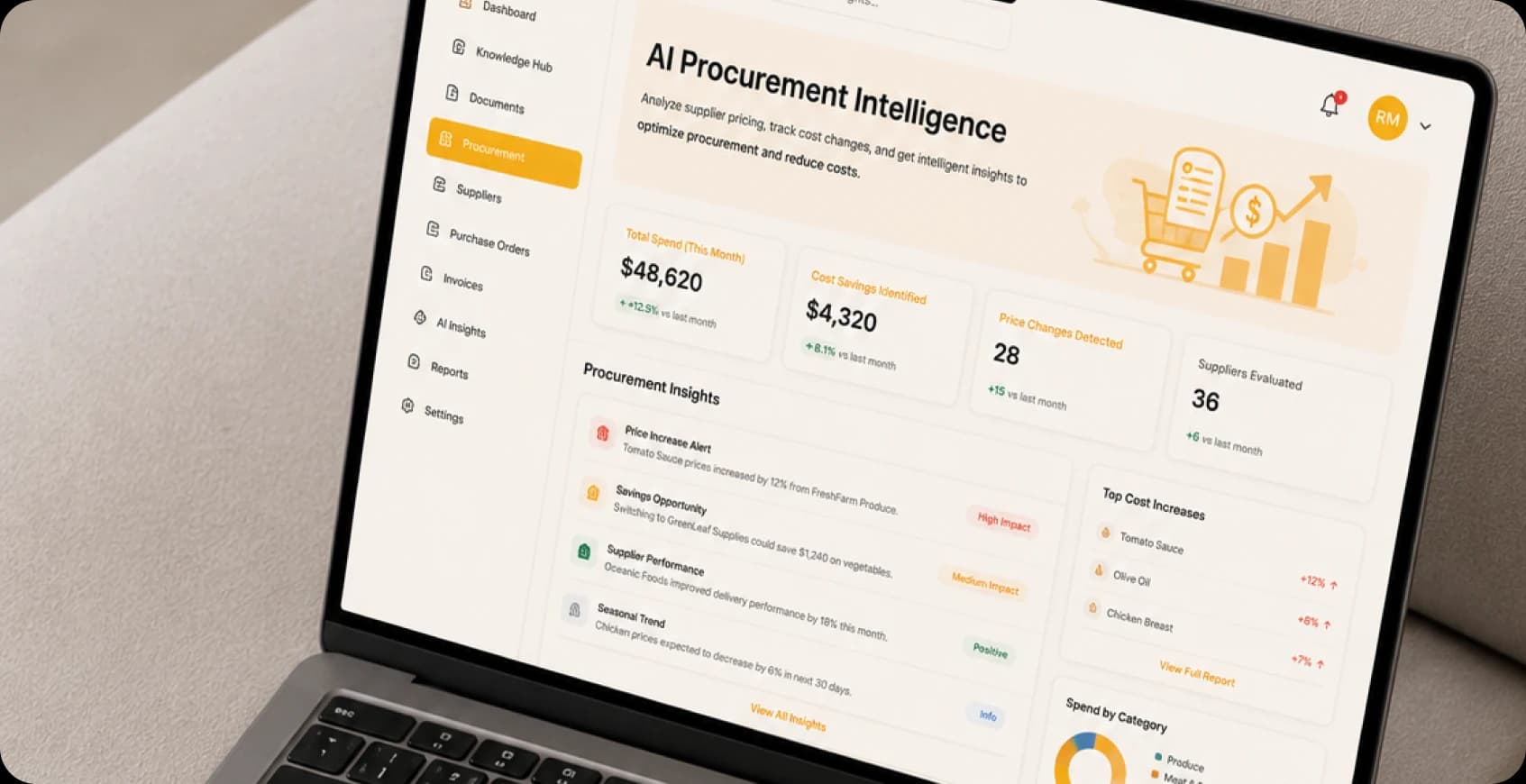
Comparing supplier pricing across procurement records made it hard to spot cost changes before they affected margins.

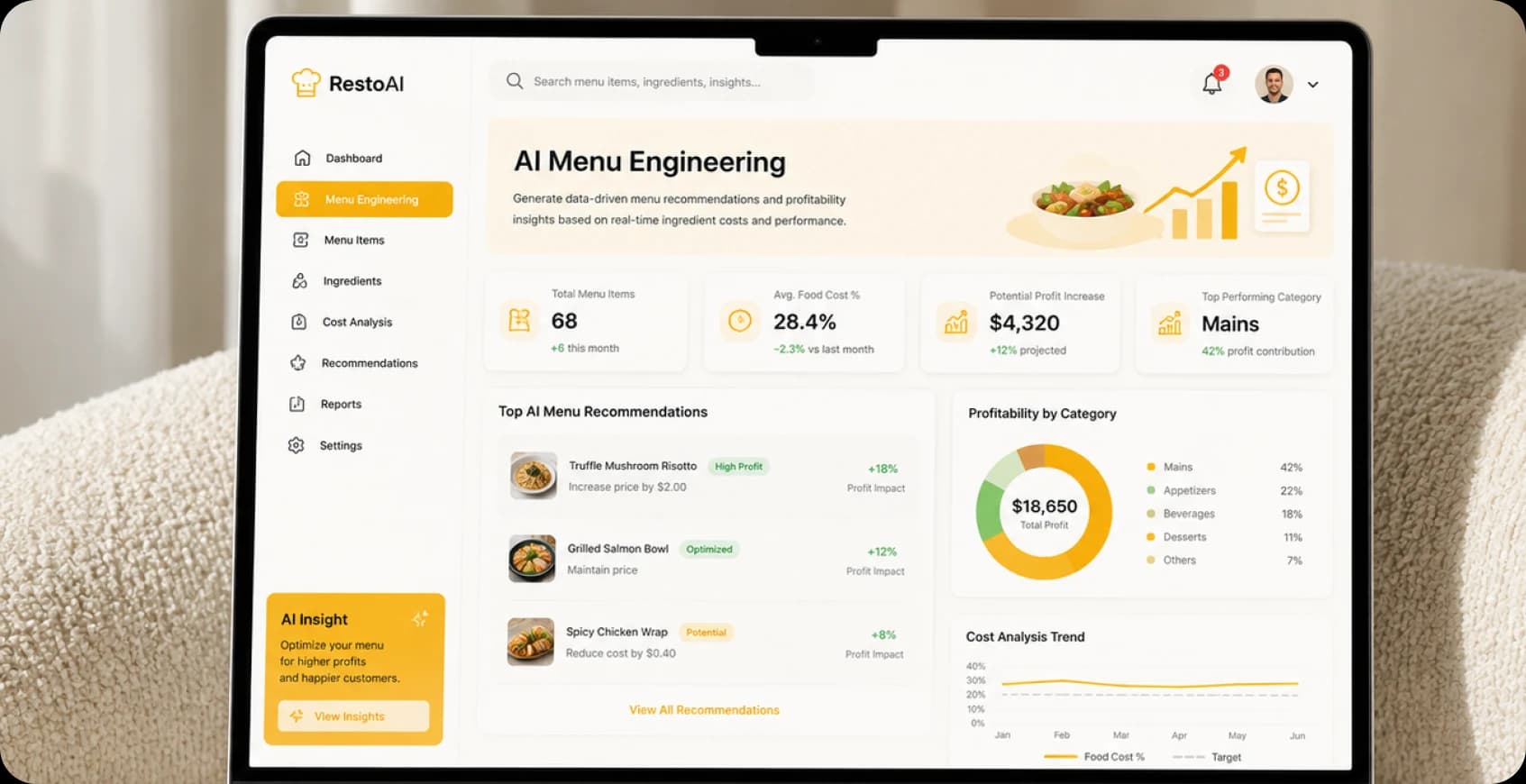
Seasonal menu planning required manual review of ingredient costs, portion data, and profit targets across multiple locations.

SOPs, recipes, and training materials lived in different documents, making consistent guidance difficult for new staff.
Managers spent time switching between disconnected systems to answer basic operational questions during service hours.
Critical restaurant know-how often depended on experienced staff instead of a searchable, company-wide knowledge base.

Procurement data, kitchen operations, and internal documentation were not connected in one AI-ready platform.
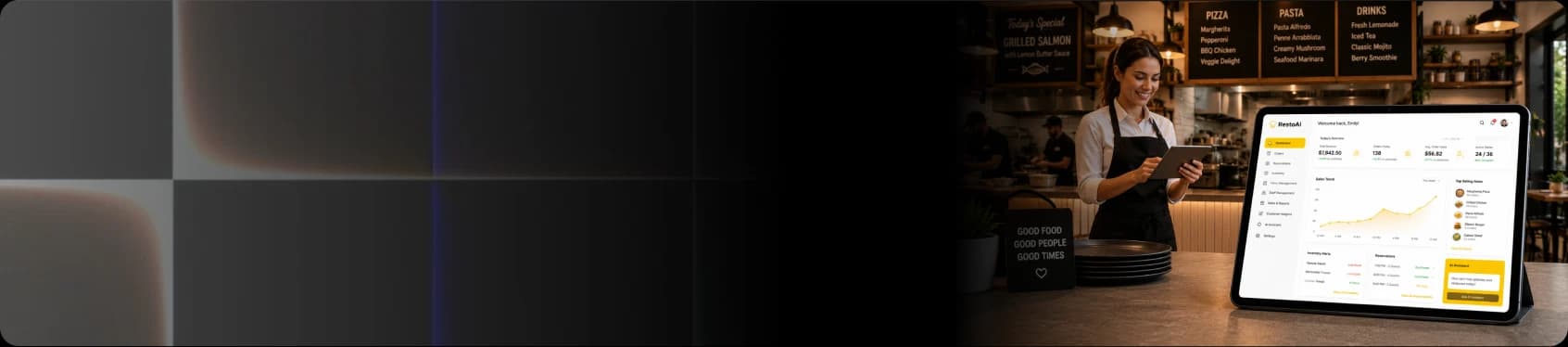
Bring Generative AI into
Restaurant Operations
Unify restaurant knowledge, procurement decisions, menu planning, and staff guidance with enterprise Generative AI.
Architecture & DesignHow We Built the Intelligent Restaurant Operations Platform
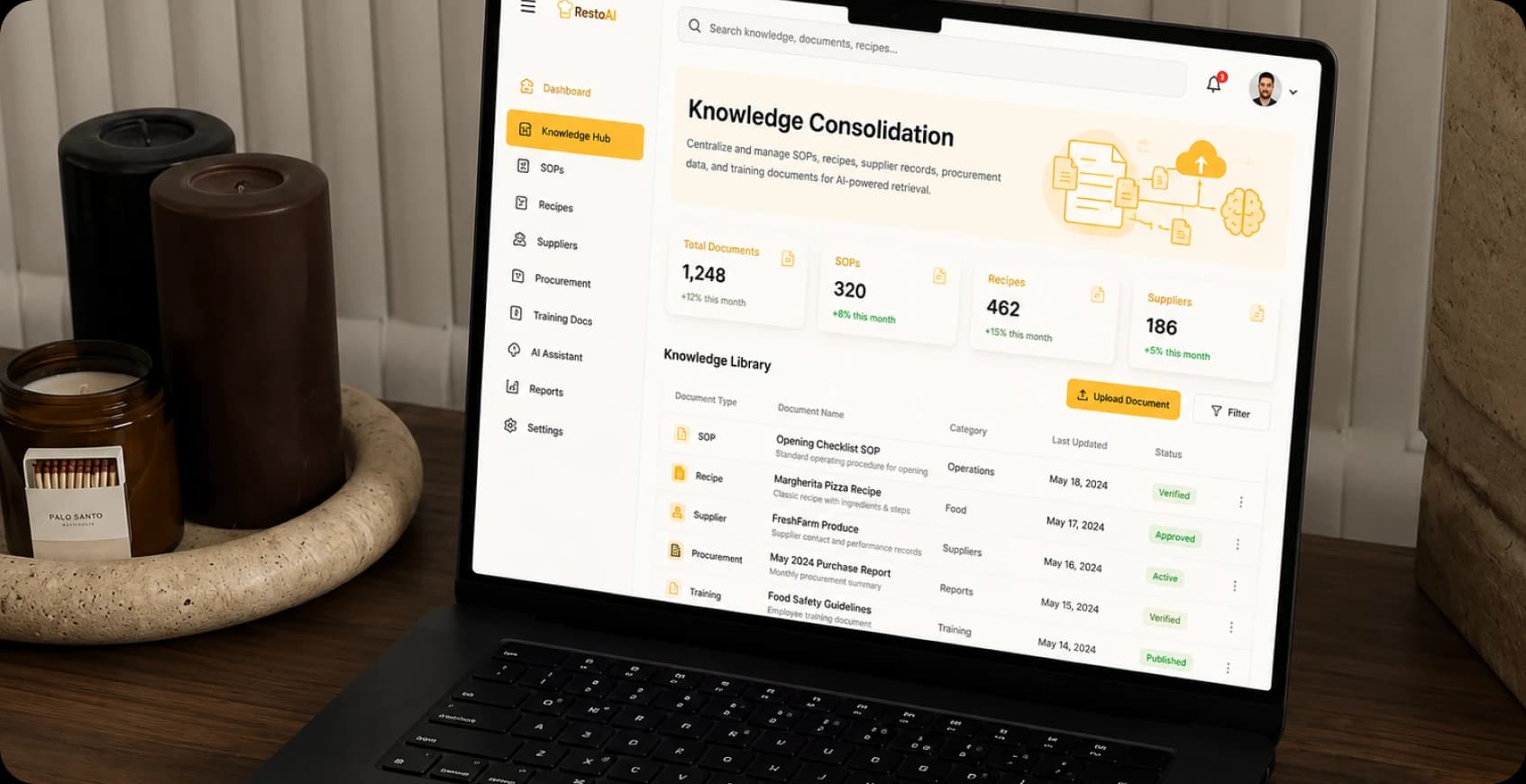
Starling Elevate designed a secure RAG platform on AWS Bedrock with LlamaIndex and Weaviate so restaurant teams could search operational knowledge, analyze procurement signals, and support menu decisions from one interface connected to existing business systems.
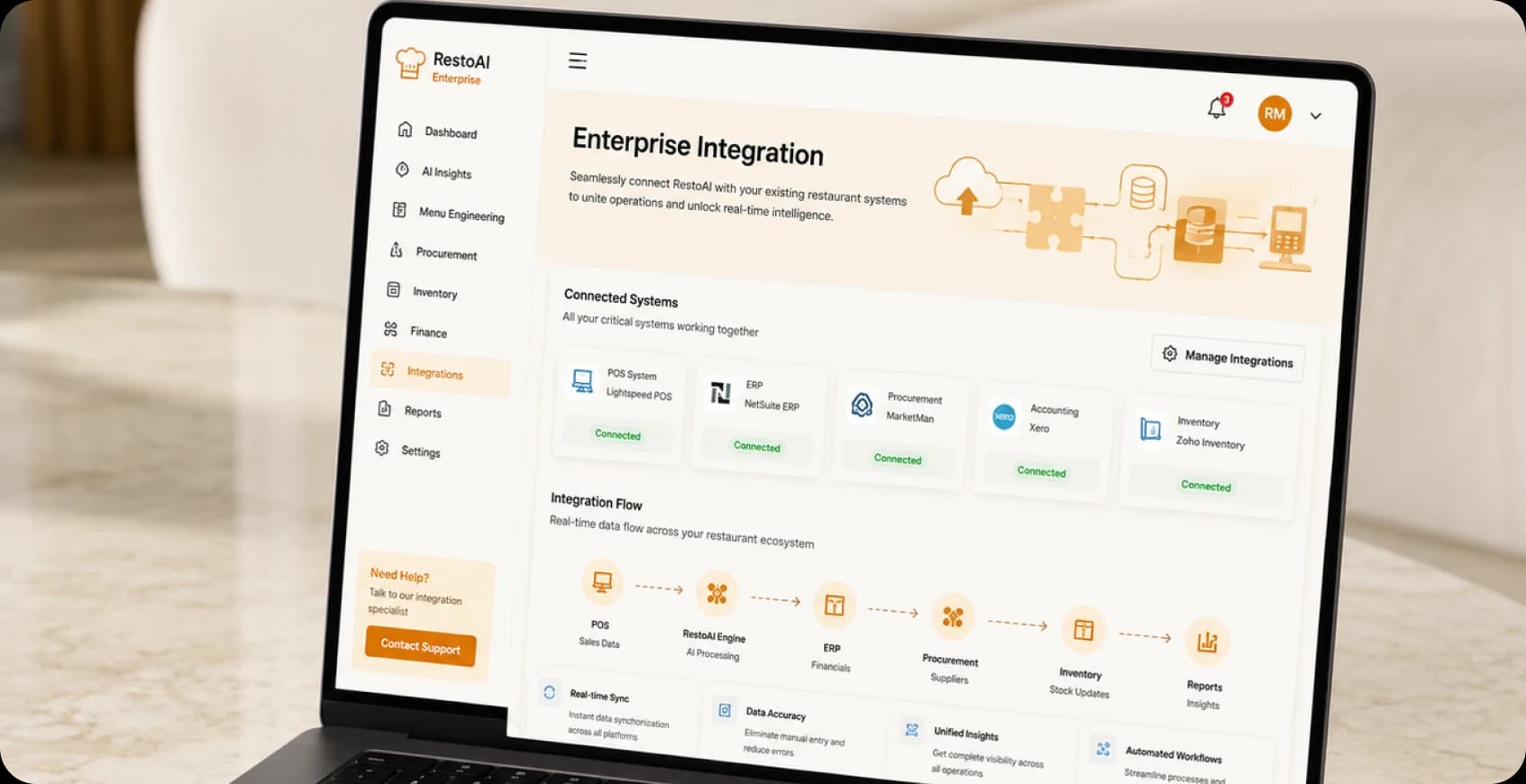
Steps
Key DeliveredWhat We Delivered
Starling Elevate delivered a Generative AI platform that centralizes restaurant knowledge, improves procurement visibility, supports menu engineering, and gives teams AI-assisted guidance across daily operations.
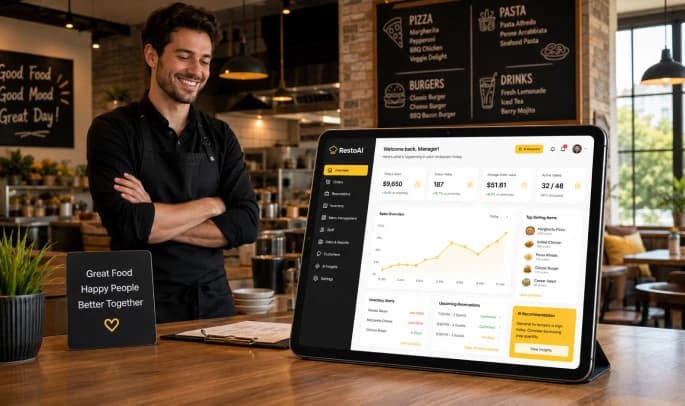
The platform linked procurement knowledge, operational documentation, and menu intelligence in one workspace so teams could find trusted answers without jumping between systems.
 Impact
Results &
Business
Impact
The platform turned scattered restaurant data into a shared knowledge layer, helping managers, buyers, and kitchen staff act on procurement, recipe, and SOP information with less manual searching.
Up to 60% faster information retrieval
40% faster procurement reviews
Improved menu profitability with real-time cost insights
Consistent operational guidance across locations
Unified access to procurement, SOP, and recipe knowledge
Measurable increase in team productivity
Faster, data-backed decision-making across operations
 Future Feature
The Future of Generative AI in Restaurant Operations
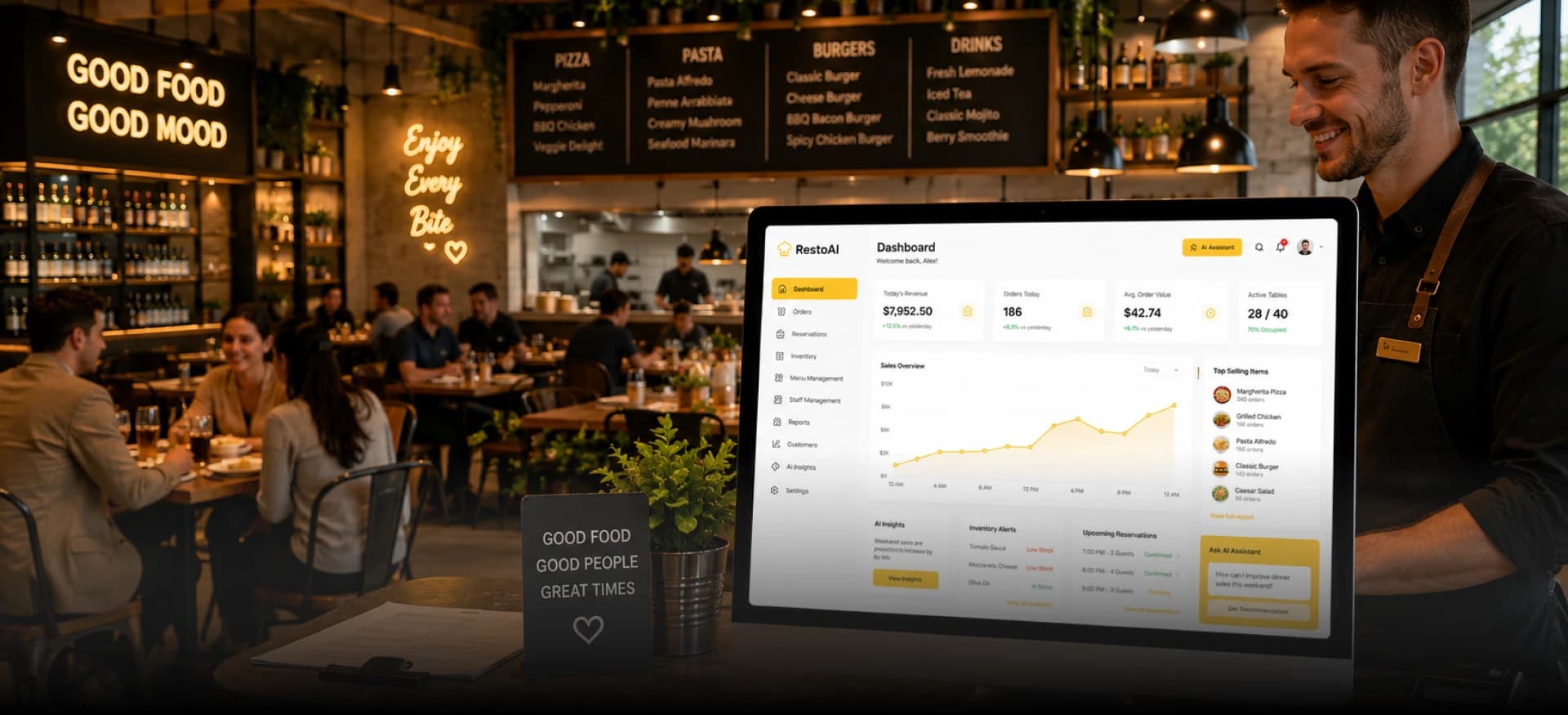
Generative AI is becoming the operational knowledge layer for modern restaurants, helping teams review procurement trends, supplier performance, and menu profitability with clearer context. Next steps for many groups include smarter purchasing insights, AI-supported menu planning, and decision support tied to live operational data.
Intelligent procurement insights
AI-driven menu optimization
Operational decision intelligence
Final Summary
Starling Elevate completed this Generative AI project in six months for a US restaurant group. The platform unified recipes, procurement data, SOPs, and training content in a RAG environment powered by Claude, LlamaIndex, Weaviate, and AWS Bedrock, integrated with ERP, POS, and restaurant management systems.
The client retrieved operational information up to 60% faster and shortened procurement reviews by 40% while improving menu profitability insights, standardizing guidance across locations, and reducing reliance on manual document searches for daily restaurant decisions.
Questions and AnswersFrequently asked Questions
Didn't get an answer?
We will reach out to you in less than 2 hours!
Generative AI solutions for restaurant operations help teams search recipes, SOPs, supplier records, and procurement data through natural language. Starling Elevate built a RAG platform so US restaurant groups could access trusted operational knowledge from one workspace connected to ERP, POS, and management software.
The platform used Claude on AWS Bedrock for language responses, LlamaIndex for retrieval workflows, Weaviate as the vector database, Python for backend services, React for the user interface, and APIs linked to ERP and supply chain systems.
Starling Elevate delivered the engagement over six months for a multi-location restaurant group in the United States, covering knowledge consolidation, indexing, procurement intelligence, menu support, assistant rollout, and enterprise integrations.
Deliverables included a Generative AI restaurant assistant, AI procurement intelligence, AI menu engineering, an SOP assistant, a supply chain knowledge hub, a secure RAG platform, an executive operations dashboard, and ERP and POS integration.
The client struggled with scattered recipes and SOPs, slow supplier price comparisons, manual menu costing, disconnected operational systems, knowledge tied to senior staff, and procurement data that was not searchable in one place.
The group reported faster information retrieval, quicker procurement reviews, better menu profitability insights, consistent guidance across locations, unified access to operational knowledge, higher team productivity, and faster data-backed decisions.
Didn't get an answer?
We will reach out to you in less than 2 hours!

Modernize Restaurant Operations with Generative AI
Deploy Generative AI that unifies restaurant knowledge, procurement, menu planning, and operational guidance for multi-location teams.