AI Cloud Architecture for
Legal Technology Platforms


Technology We Used





Project Overview
A US legal technology platform was managing contracts, case files, compliance records, and client data across disconnected cloud services. Document retrieval slowed, permission rules varied by application, and backup processes lacked a single point of control. Starling Elevate designed AI cloud architecture to bring legal applications, document storage, access policies, and operations into one structured AWS environment.
The seven-month project used AWS, Amazon S3, Aurora PostgreSQL, IAM, CloudWatch, and AWS Backup to support secure document storage, structured case records, role-based access, activity monitoring, and scheduled backup and recovery for legal teams.
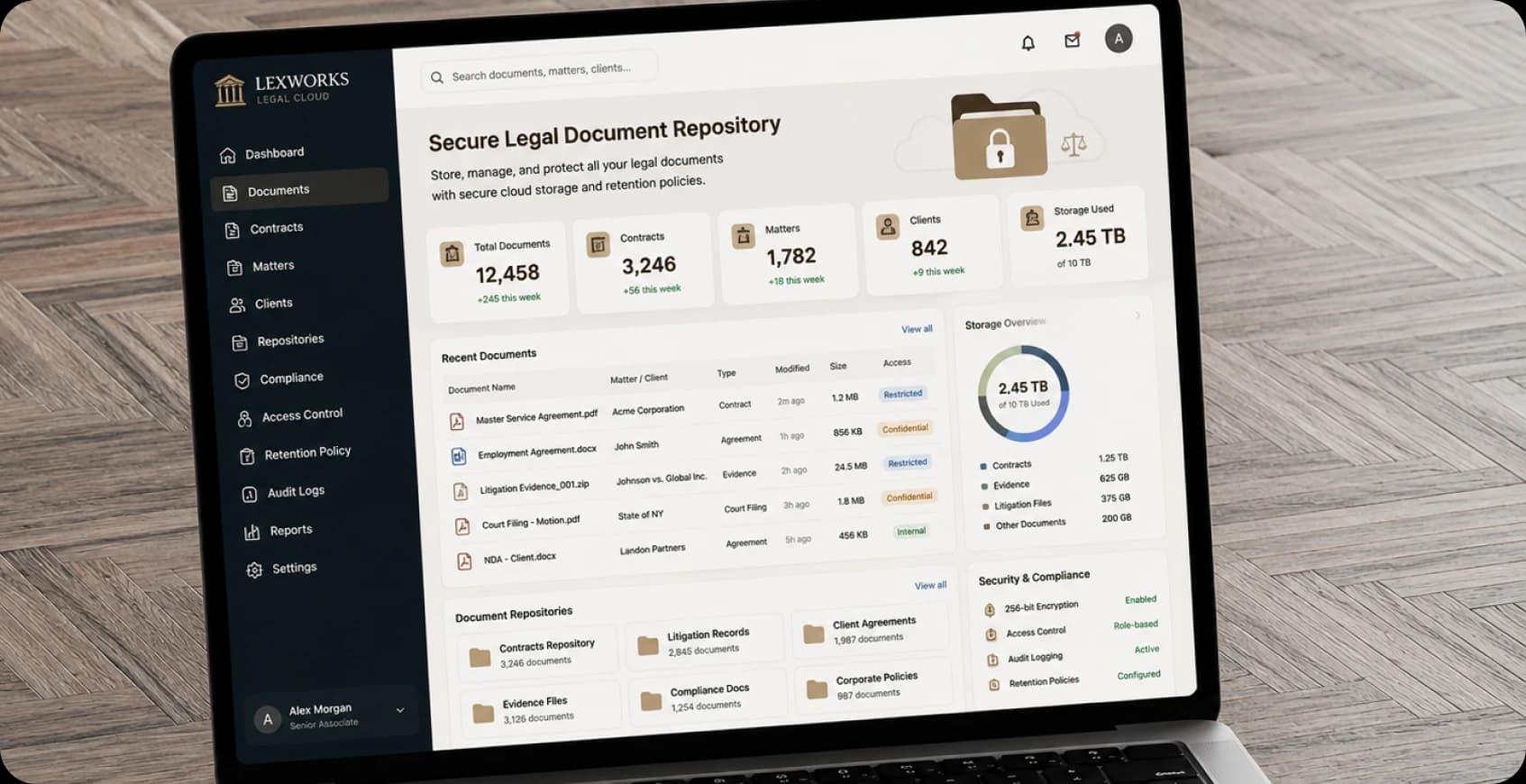
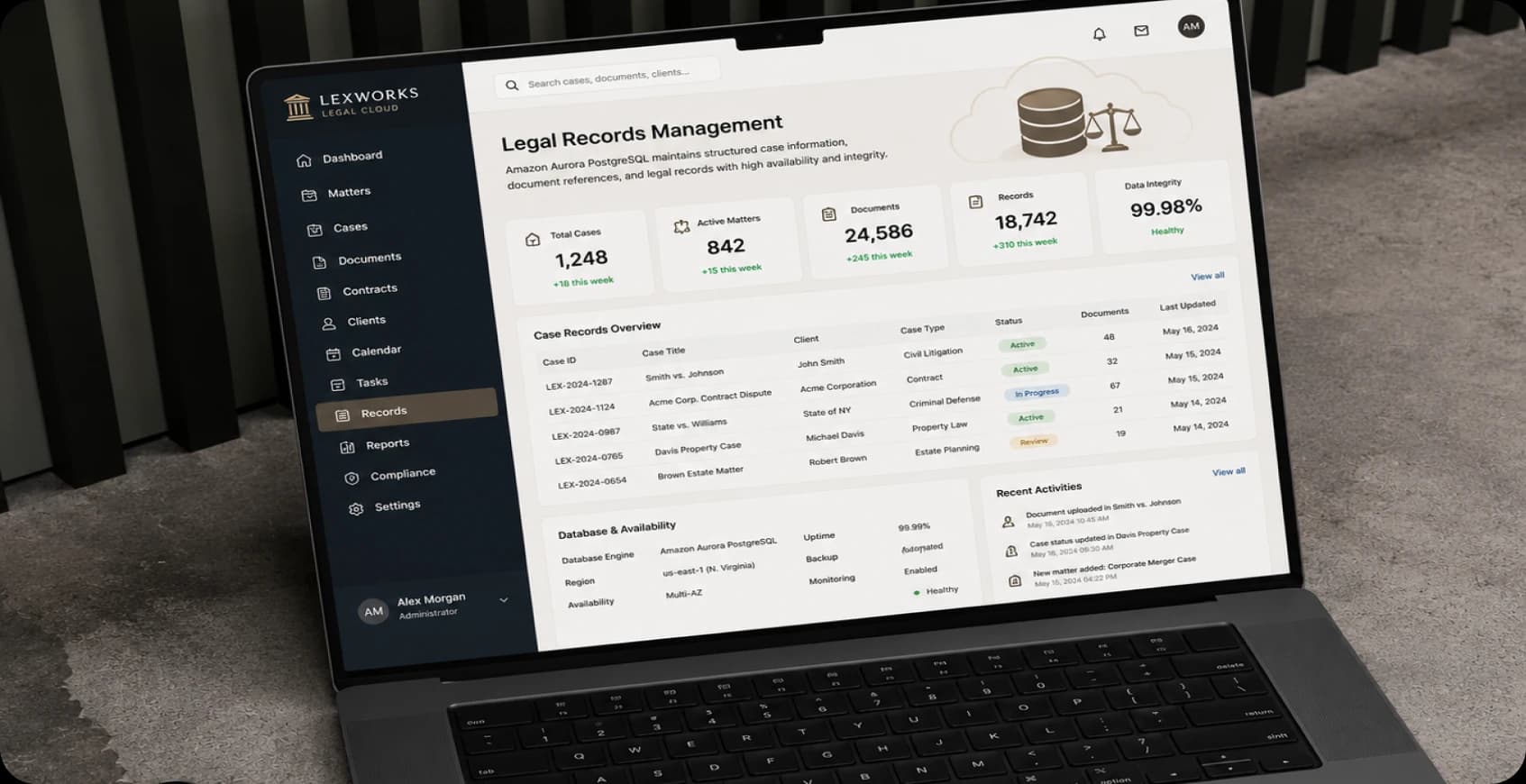
Lawyers and legal assistants access contracts, litigation records, and compliance documents through a unified cloud workspace with IAM-controlled permissions. Aurora maintains case references and legal metadata while S3 stores confidential files under retention policies.
The cloud architecture covered a centralized legal workspace, secure document repository, identity and access management, legal records management, monitoring and backup, and ongoing operational governance as document libraries and collaborative workflows grew.
Why Legal Technology Platforms Needed AI Cloud Architecture
Legal technology platforms manage confidential case files, contracts, compliance records, and client information that require controlled access and audit visibility. As legal data expanded across cloud services, fragmented storage and inconsistent permission controls made document management more complex. Starling Elevate designed a unified cloud architecture that connected legal applications, document repositories, and access policies.
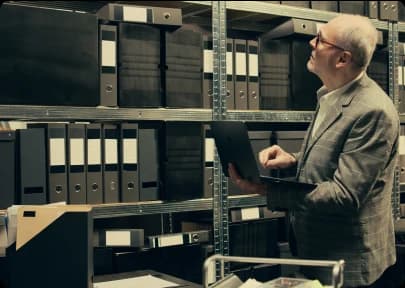
Legal documents were distributed across multiple repositories, making document retrieval slower and more consuming.

Case files, contracts, and compliance records required stronger document organization and structured retention policies.

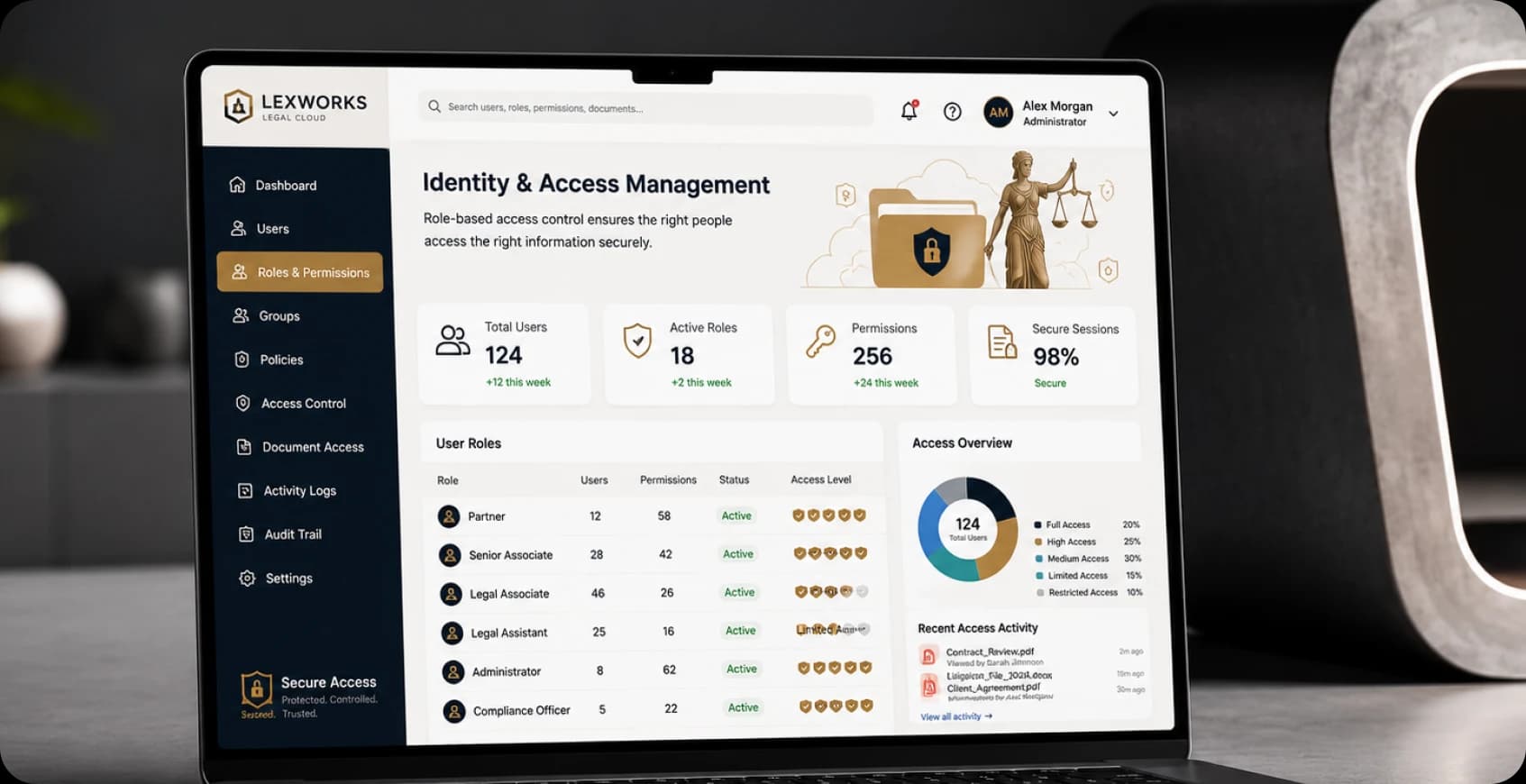
User permissions varied across applications, increasing the complexity of identity and access management.
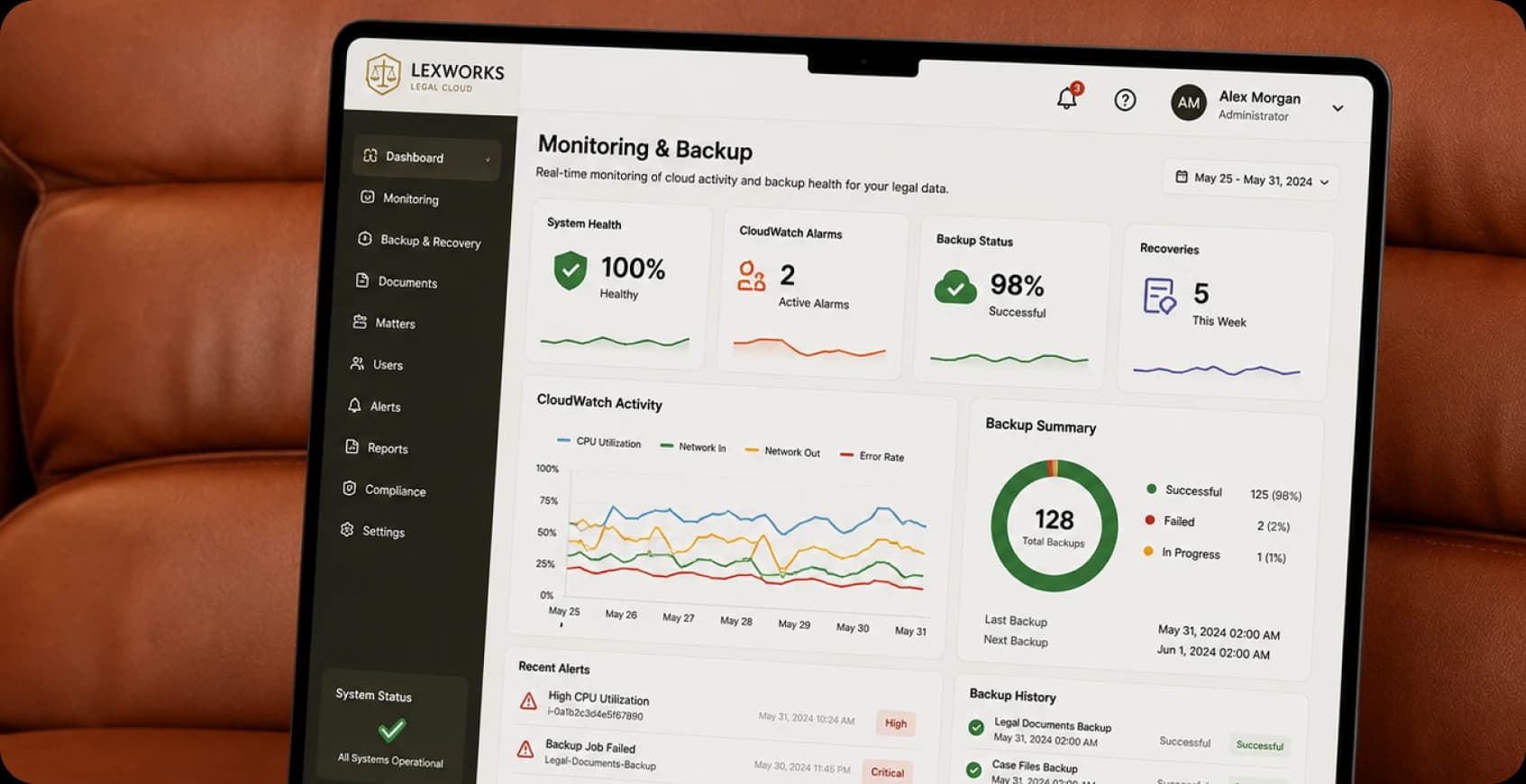
Backup procedures for legal records lacked centralized administration and consistent recovery planning.
Monitoring document activity and user actions became increasingly difficult across separate cloud services.

Expanding legal operations required cloud resources capable of supporting larger document repositories and collaborative legal workflows.
Organize Legal Operations with
AI Cloud Architecture
Create a structured cloud foundation that centralizes legal records, protects confidential documents, and supports secure collaboration across legal technology platforms.
How We Built AI Cloud Architecture for Legal Technology Platforms
Starling Elevate designed the cloud architecture to match the daily workflows of legal teams. Legal applications, case records, and document repositories were connected through a unified cloud environment, giving teams controlled access to information, centralized document management, continuous monitoring, and reliable backup services while preserving confidentiality across legal operations.
Steps
What We Delivered
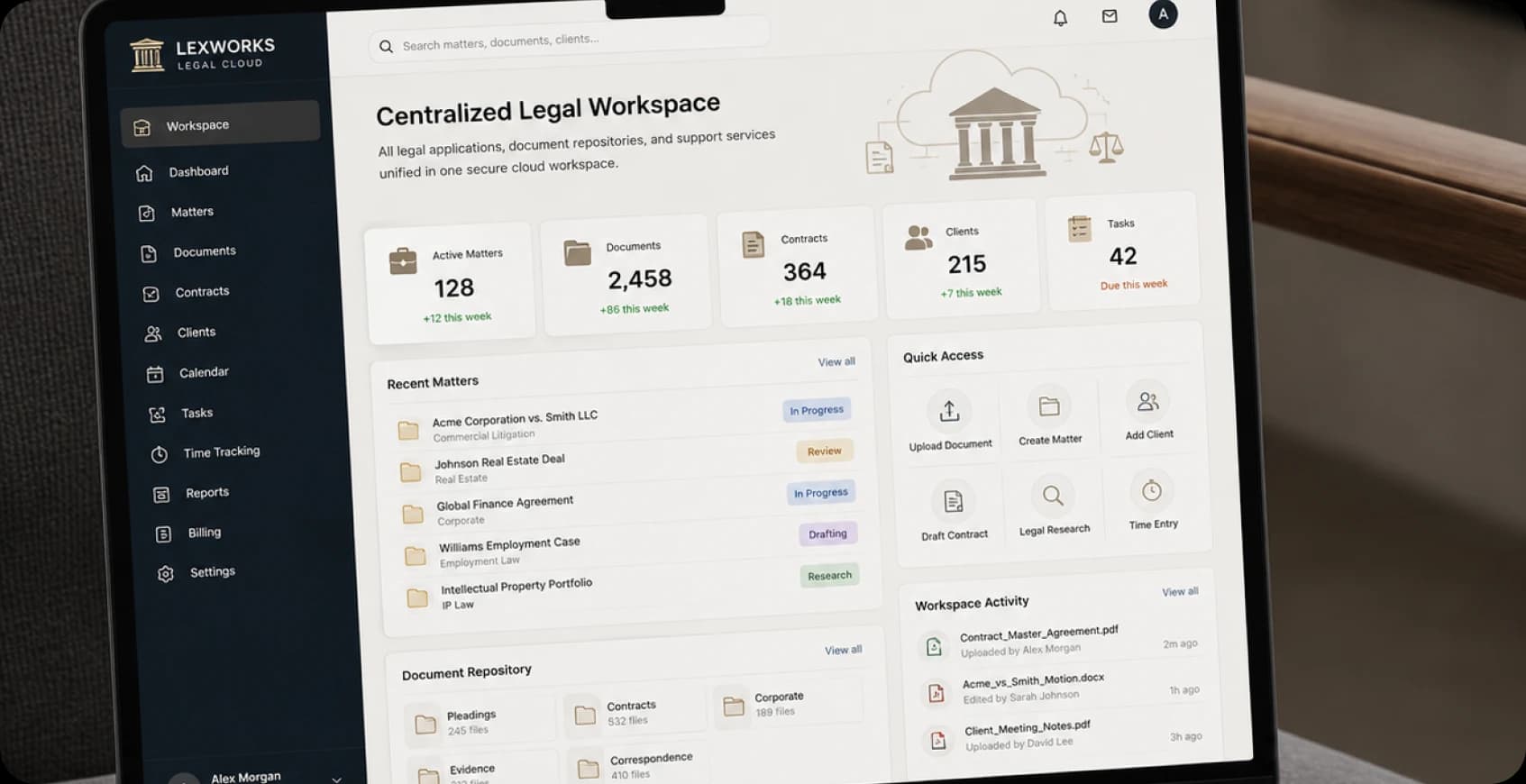
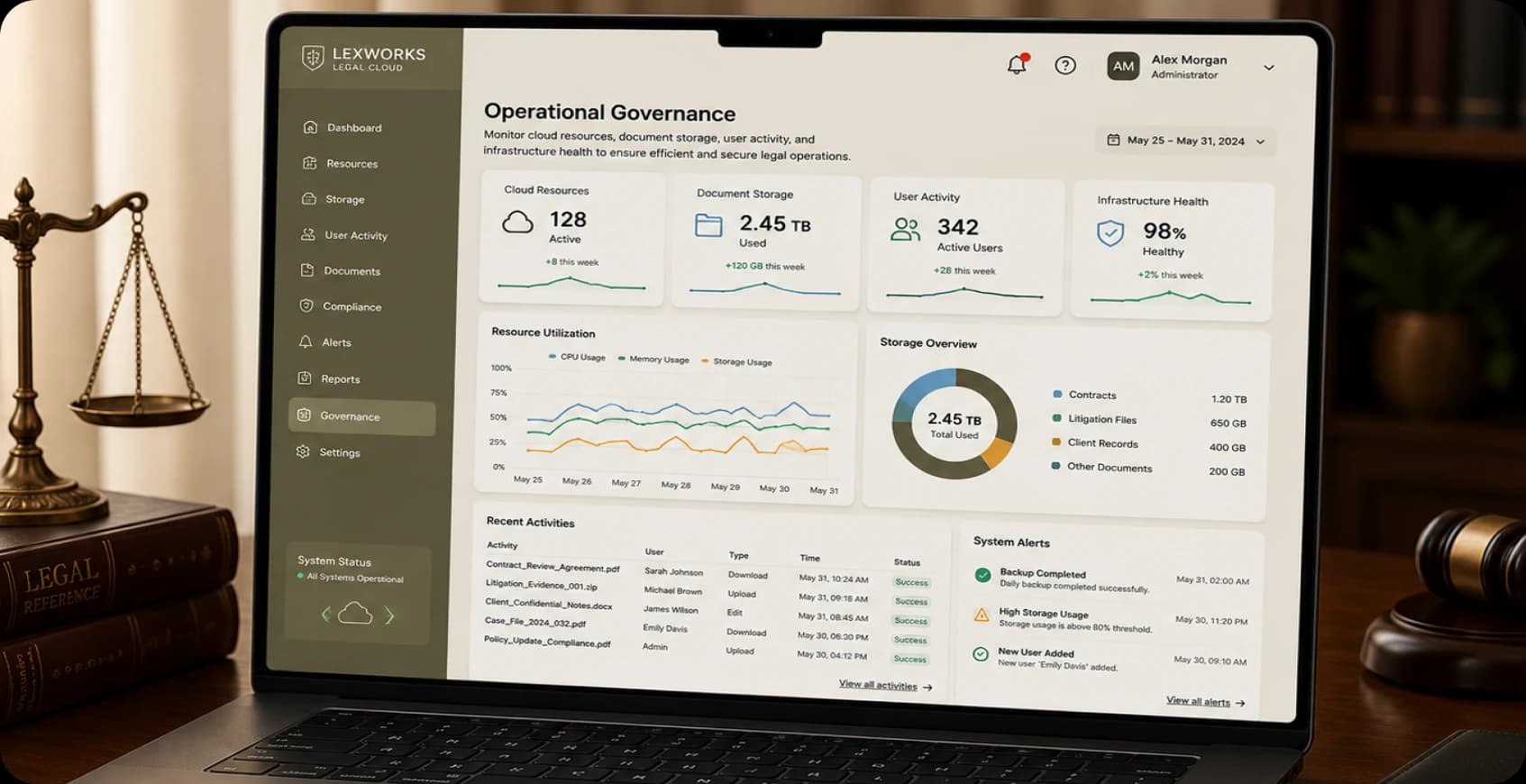
Through Public Cloud Services, Starling Elevate organized legal applications, document repositories, and cloud operations into a centralized workspace where legal teams could manage information, user permissions, and cloud resources more efficiently.
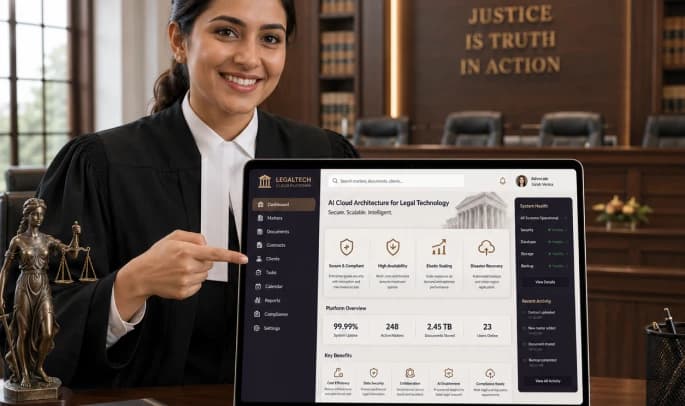
The cloud deployment consolidated legal information into a single operational environment, making document management, user administration, and cloud operations more structured across legal teams.
Results &
Business
Impact
The deployment established a centralized cloud workspace that organized legal information, simplified document administration, and protected confidential records throughout daily legal operations.
Optimized Legal Information Management
Centralized Document Repository
Secure Access Governance
Improved Cloud Reliability
Automated Backup & Recovery
Better Operational Control
Increased Collaboration Efficiency
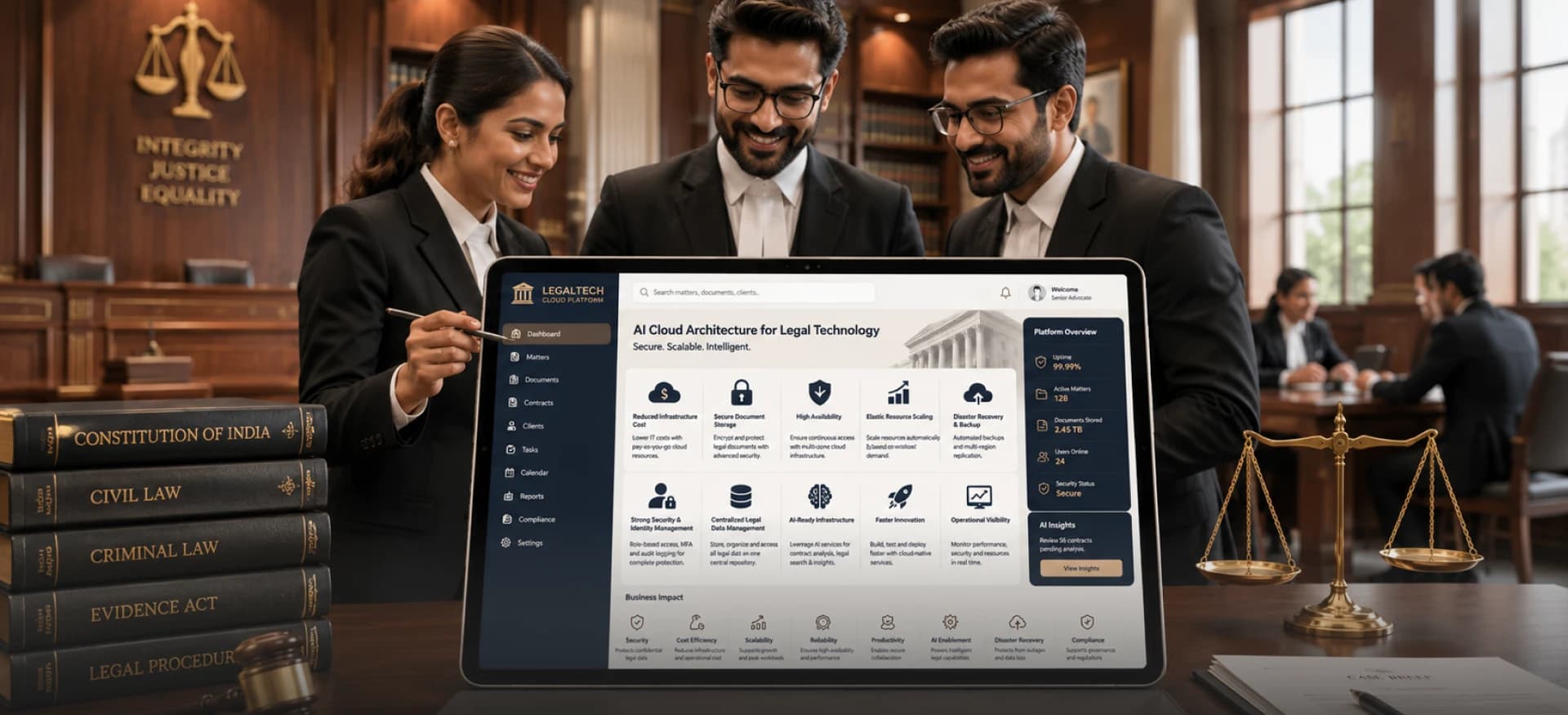
The Future of AI Cloud Architecture for Legal Technology Platforms
Legal technology is evolving toward connected cloud ecosystems that bring document management, legal collaboration, and information governance into one environment. Future cloud architectures will focus on intelligent document organization, automated retention policies, and greater operational visibility while supporting confidentiality and regulatory compliance.
Automated Document Retention
Legal Activity Monitoring
Cloud-Based Legal Collaboration
Final Summary
Starling Elevate delivered this AI cloud architecture over seven months for a US legal technology platform. The deployment included a unified legal workspace, centralized S3 document repository, IAM access governance, Aurora case records management, CloudWatch monitoring, AWS Backup recovery, and a cloud operations dashboard for legal teams.
The platform achieved better legal information management and secure access governance. Document administration became simpler, cloud reliability improved, backup and recovery were automated, operational control strengthened, and legal teams collaborated more efficiently across daily case work.
Frequently asked Questions
Didn't get an answer?
We will reach out to you in less than 2 hours!
AI cloud architecture for legal technology platforms organizes legal applications, document repositories, and access controls within a unified AWS environment. Starling Elevate connected case records, contracts, and compliance documents so legal teams manage information from one structured cloud workspace.
The solution used Amazon S3 for secure legal document storage, Aurora PostgreSQL for structured case and client records, IAM for role-based access governance, CloudWatch for activity monitoring, and AWS Backup for scheduled backup and disaster recovery.
Starling Elevate completed this AI cloud architecture engagement over seven months for a US legal technology platform, covering workspace design, document repository setup, access governance, records management, monitoring, and backup configuration.
The client struggled with documents spread across multiple repositories, inconsistent user permissions, slow document retrieval, unstructured retention policies, fragmented backup procedures, and limited visibility into document activity across separate cloud services.
Contracts, litigation records, and compliance files are stored in S3 with controlled access through IAM role-based permissions. CloudWatch monitors activity, AWS Backup runs scheduled recovery processes, and retention policies govern how long legal records remain available.
The platform optimized legal information management, centralized its document repository, strengthened secure access governance, improved cloud reliability, automated backup and recovery, gained better operational control, and increased collaboration efficiency across legal teams.
Didn't get an answer?
We will reach out to you in less than 2 hours!

Modernize Legal Operations with AI Cloud Architecture
Design secure cloud architectures that organize legal records, protect confidential information, and support day-to-day legal operations through Public Cloud Services.